Is the Raspberry Pi energy efficient?
Is the Raspberry Pi energy efficient?
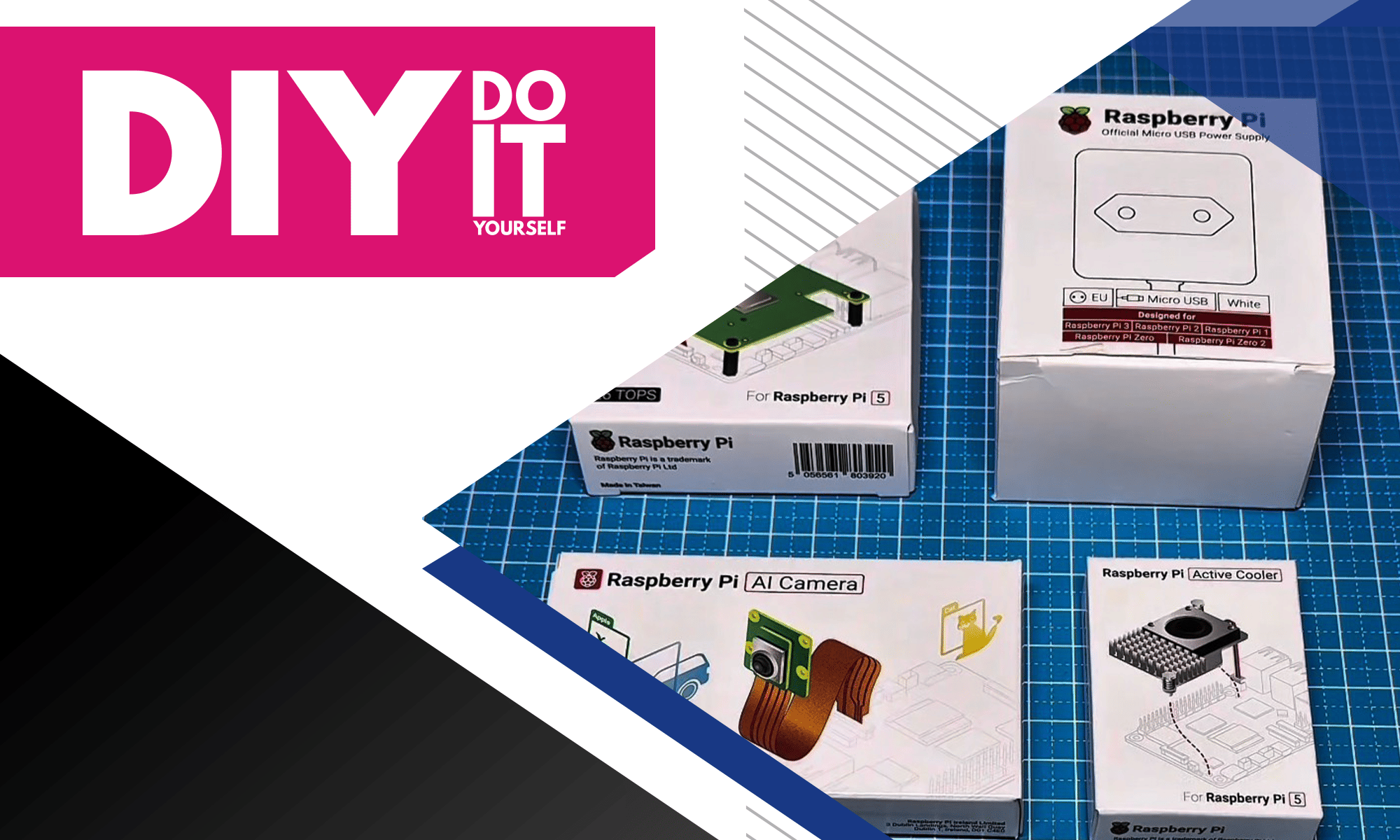
Yes, the Raspberry Pi is an energy-efficient device, especially when compared to classic desktop computers. Even despite the fact that newer models, such as the Raspberry Pi 5, consume noticeably more power than their predecessors.
What is energy efficiency in the context of the Raspberry Pi?
Energy efficiency refers to the ability of a device to perform certain tasks while consuming as little power as possible. As a Single Board Computer (Single-Board Computer), Raspberry Pi is designed for low power consumption, whether for educational, industrial or server applications. Compared to full-size PCs, whose typical power requirements exceed 50-150W, the Raspberry Pi operates between 1 and 11W, depending on the model and load.
What are the specific power consumption values?
The Raspberry Pi 4B in idle mode consumes about 1.4W, and under full load it reaches about 6.5W. For the Raspberry Pi 5, the values are higher - around 2.7W at idle and up to 11W at maximum load CPU and with active peripherals. Although the nominal power consumption values have increased on the Pi 5, this is a direct result of the increased computing power, modern interfaces (PCIe, fast USB 3.0) and system expandability. Importantly, power efficiency, i.e. the amount of data processed per watt consumed, has also increased. This means that the Raspberry Pi 5 is nevertheless more efficient than older versions.
Power saving modes on the Raspberry Pi
By default, the Raspberry Pi uses a power management mechanism called ondemand governor, which dynamically adjusts the processor's clocking according to current needs. When idle, the chip runs at a lower clock, minimising power consumption, and when the load increases, it automatically increases the processing power. It is also possible to force performance mode, where the processor runs at maximum frequency all the time. While this increases the responsiveness of the system, it significantly increases power consumption at rest. In the case of the Raspberry Pi 5 to about 4.7 W, which is not good for 24/7 operation.
Where does energy efficiency matter most?
The Raspberry Pi is particularly valued in projects that need to run for days or months without interruption. Examples include home NAS servers, IoT gateways, data loggers, monitoring systems or Building Automation. Low power consumption translates into lower operating costs and reduced requirements for uninterruptible power supply (UPS) in such scenarios. Also in mobile applications, where the Raspberry Pi is powered from a powerbank or solar panel, low power consumption is a key advantage. System optimisation, e.g. disabling GUI, Wi-Fi or unused services, can further extend battery life. Buy Raspberry Pi - Minicomputers
Transfer Multisort Elektronik (TME) is one of the world’s largest global distributors of electronic components, electrotechnical parts, workshop equipment, and industrial automation. The catalog includes over 1,500,000 products from 1,300 leading manufacturers. TME’s modern logistics centers in Łódź and Rzgów (Poland), with a combined area of over 40,000 m², ship nearly 6,000 packages daily to customers in more than 150 countries.
TME also invests in the development of knowledge and skills of young engineers and electronics enthusiasts through the TME Education project, and supports the tech community by organizing the TechMasterEvent series, promoting innovation and experience exchange.