Can the Raspberry Pi run continuously as a server?
Can the Raspberry Pi run continuously as a server?
Yes, the Raspberry Pi can operate 24/7 as a server. It is both hardware and software capable of this, as long as the right power, cooling and storage medium conditions are met.
Raspberry Pi as a server platform
Raspberry Pi, despite its small size and low power consumption, has the full functionality of a PC-class computer. Equipped with a Linux-based operating system, such as Raspberry Pi OS Lite or Ubuntu Server, it is ideal for continuous operation without a graphical interface. It can act as a file server, web server, database, IoT gateway, monitoring system or even a private cloud. Thanks to its energy efficiency and passive cooling, the Raspberry Pi has gained popularity as a platform for 'always on' applications. The Raspberry Pi 4 has an average power consumption of around 3-5 watts and the Raspberry Pi 5 up to 12 watts at full load. This means that the 24/7 running costs are minimal compared to a typical desktop computer or server.
Raspberry Pi - conditions for stable non-stop operation
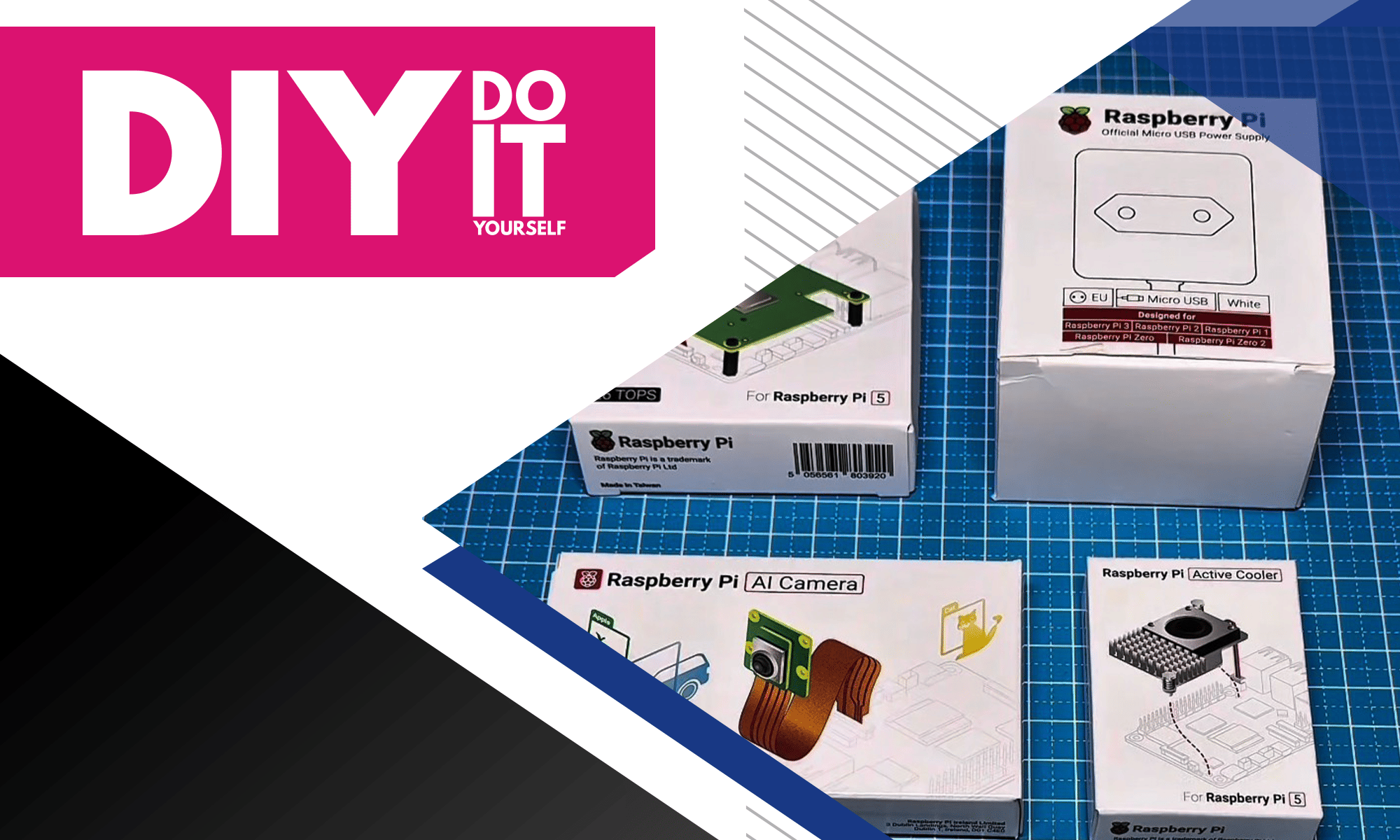
In order for the Raspberry Pi to work non-stop, several key technical conditions are required. The most important of these is a stable power supply, preferably using an official power supply that provides 5.1 V and adequate current (3 A for Pi 4, 5 A for Pi 5). A power supply that is too weak can cause system errors, spontaneous reboots or corruption of system files. The second element is adequate cooling. The Raspberry Pi 5 generates more heat than its predecessors, so active cooling (e.g. the official Active Cooler) is recommended for server applications, especially in closed Enclosures or higher temperature environments. Operation without cooling under load can lead to so-called "thermal throttling". thermal throttling, i.e. a reduction in processor performance at high temperatures. Another important aspect is the choice of storage media. A standard microSD card is sensitive to intensive data writing and can wear out with long-term use. Therefore, for server applications, it is recommended to use external SSDs connected via USB 3.0 or a PCIe connector (for Raspberry Pi 5). These drives have a much longer lifespan and offer higher operating speeds.
Typical applications and system stability
The Raspberry Pi runs on Linux, which means the user has access to thousands of server tools and services such as Apache, Nginx, PostgreSQL, MQTT, Samba and Docker. The Raspberry Pi OS Lite operating system is devoid of a graphical environment, so it runs faster and uses fewer resources, making it ideal for 24/7 operation. Many users use the Raspberry Pi as a home NAS server (for sharing files over a network), a home automation gateway with Home Assistant, a local DNS server, a GIT repository or a video surveillance system. With the right configuration, the device can run for weeks or even months without rebooting.
Transfer Multisort Elektronik (TME) is one of the world’s largest global distributors of electronic components, electrotechnical parts, workshop equipment, and industrial automation. The catalog includes over 1,500,000 products from 1,300 leading manufacturers. TME’s modern logistics centers in Łódź and Rzgów (Poland), with a combined area of over 40,000 m², ship nearly 6,000 packages daily to customers in more than 150 countries.
TME also invests in the development of knowledge and skills of young engineers and electronics enthusiasts through the TME Education project, and supports the tech community by organizing the TechMasterEvent series, promoting innovation and experience exchange.