Is the Raspberry Pi suitable for gaming?
Is the Raspberry Pi suitable for gaming?
Yes, the Raspberry Pi, especially versions 4 and 5, is very well suited to emulating classic consoles and simple retro games. With the availability of suitable software and hardware support, it is possible to build a compact emulator that can successfully handle consoles from the 1980s to the early 2000s.
What games and systems can be run on the Raspberry Pi?
The most common use of the Raspberry Pi in a gaming context is emulation of older consoles. Platforms such as NES, SNES, Game Boy, Sega Mega Drive, Atari, Neo Geo, and even more advanced ones such as PlayStation 1, Nintendo 64 or PSP, run smoothly on Raspberry Pi 4 and 5, especially when using optimised environments such as RetroPie, Batocera or Lakka. Raspberry Pi 5 significantly improves gaming performance over its predecessor. Thanks to the new 2.4 GHz Cortex-A76 processor and the VideoCore VII graphics chip, it is possible to run titles that were barely playable on the Pi 4 or required heavy overclocking. This is particularly noticeable in the emulation of 3D consoles such as the Nintendo 64 and PSP, where both smoothness and graphics quality have been improved.
What limits the Raspberry Pi's gaming capabilities?
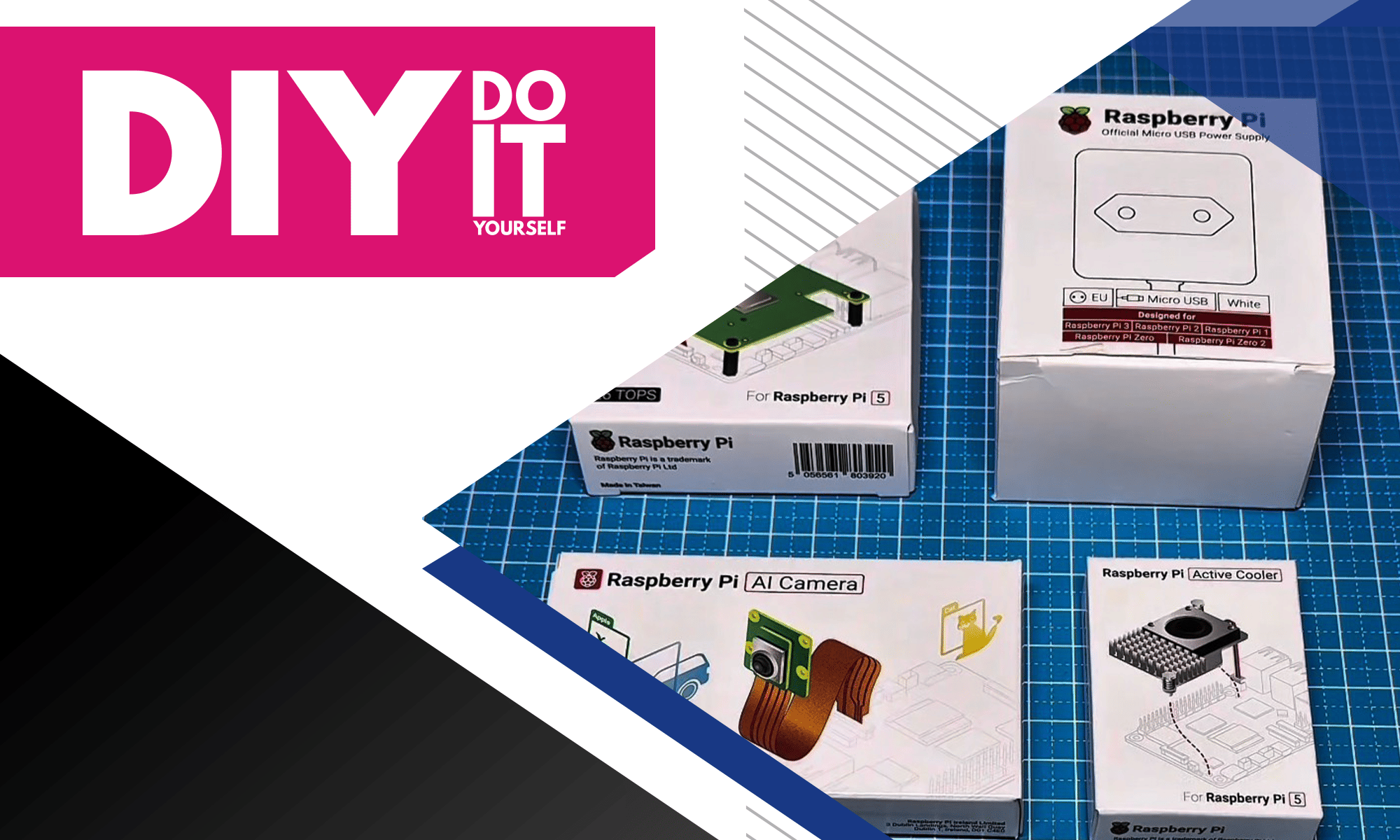
Despite major advances in performance, the Raspberry Pi is still unable to handle modern AAA games or emulate advanced consoles such as the PlayStation 2, GameCube or Xbox 360 satisfactorily. The reason for this is the limited power of the GPU and the lack of a full-fledged graphics accelerator found in PCs or next-generation consoles. Performance in games also depends on the quality of the emulation software and code optimisation. Emulators using modern graphics interfaces, such as Vulkan, can perform much better than those based on OpenGL, especially on the Raspberry Pi 5. Additionally, for longer gaming, it is necessary to use active cooling, as the processor quickly reaches limiting temperatures and enters throttling mode, lowering clocking and thus performance.
What software is worth using?
The most well-known platform for emulation on the Raspberry Pi is RetroPie. It is a project based on the Raspberry Pi OS and EmulationStation that allows you to run games from multiple systems from a single graphical interface. RetroPie supports multiple emulators and offers extensive configuration options for controllers, graphical filters and integration with game databases. Alternatives include distributions such as Batocera, which is a system optimised for 'straight out of the box' readiness, or Lakka, a more minimalist but also powerful solution for simpler configurations. All these systems support USB, Bluetooth Controllers and wireless console pads for a gaming experience very close to the original.
Transfer Multisort Elektronik (TME) is one of the world’s largest global distributors of electronic components, electrotechnical parts, workshop equipment, and industrial automation. The catalog includes over 1,500,000 products from 1,300 leading manufacturers. TME’s modern logistics centers in Łódź and Rzgów (Poland), with a combined area of over 40,000 m², ship nearly 6,000 packages daily to customers in more than 150 countries.
TME also invests in the development of knowledge and skills of young engineers and electronics enthusiasts through the TME Education project, and supports the tech community by organizing the TechMasterEvent series, promoting innovation and experience exchange.