Does the Raspberry Pi 5 use the same SoC architecture as the Raspberry Pi 4?
Does the Raspberry Pi 5 use the same SoC architecture as the Raspberry Pi 4?
No. Raspberry Pi 5 uses a newer generation of SoC chip and is significantly different from Raspberry Pi 4. The move from Cortex-A72 (Pi 4) to Cortex-A76 (Pi 5) cores, the new RP1 I/O chip and native PCIe change both CPU/GPU performance and I/O bandwidth.
CPU, GPU and memory performance
Raspberry Pi 4 is based on the Broadcom BCM2711 SoC with four Cortex-A72 cores in ARMv8-A architecture. Raspberry Pi 5 introduces the BCM2712 chip with four Cortex-A76 cores with higher IPC and frequency, resulting in a jump in performance for typical general tasks and complex multi-threaded workloads. At the same time, the graphics subsystem has changed: from VideoCore VI in the Pi 4 to VideoCore VII in the Pi 5, with support for newer APIs and better multimedia decoding. In the RAM layer, the Pi 5 moves to LPDDR4X with higher bandwidth and available, larger configurations, improving system responsiveness and performance in memory-intensive applications.
Input/output and dedicated "southbridge"
A key design change to the Pi 5 is the arrival of a dedicated I/O bridge RP1. In the Pi 4, the handling of Interfaces was mainly handled by the SoC; in the Pi 5 this responsibility is taken over by the RP1, relieving the burden on the CPU and tidying up the data path for USB, SD and other peripherals. In practice, this means fewer bottlenecks for I/O operations and more stable performance when accessing multiple devices simultaneously. For the user, the visible effect is faster copying, more efficient operation of external media and less susceptibility to micro-bottlenecks under heavy I/O loads.
PCIe, NVMe and data storage
Raspberry Pi 4 is limited to USB 3.0 as paths to high-speed drives. Raspberry Pi 5 introduces for the first time native PCI Express 2.0 x1, which can be brought out to a HAT+ M.2 connector. This enables NVMe drives to be installed without USB, dramatically reducing latency and increasing I/O throughput. For desktop and server applications, this is a qualitative change: the operating system and databases run faster, and the durability of the SSD makes the solution much more reliable than typical microSD cards.
Power, thermal and continuous operation
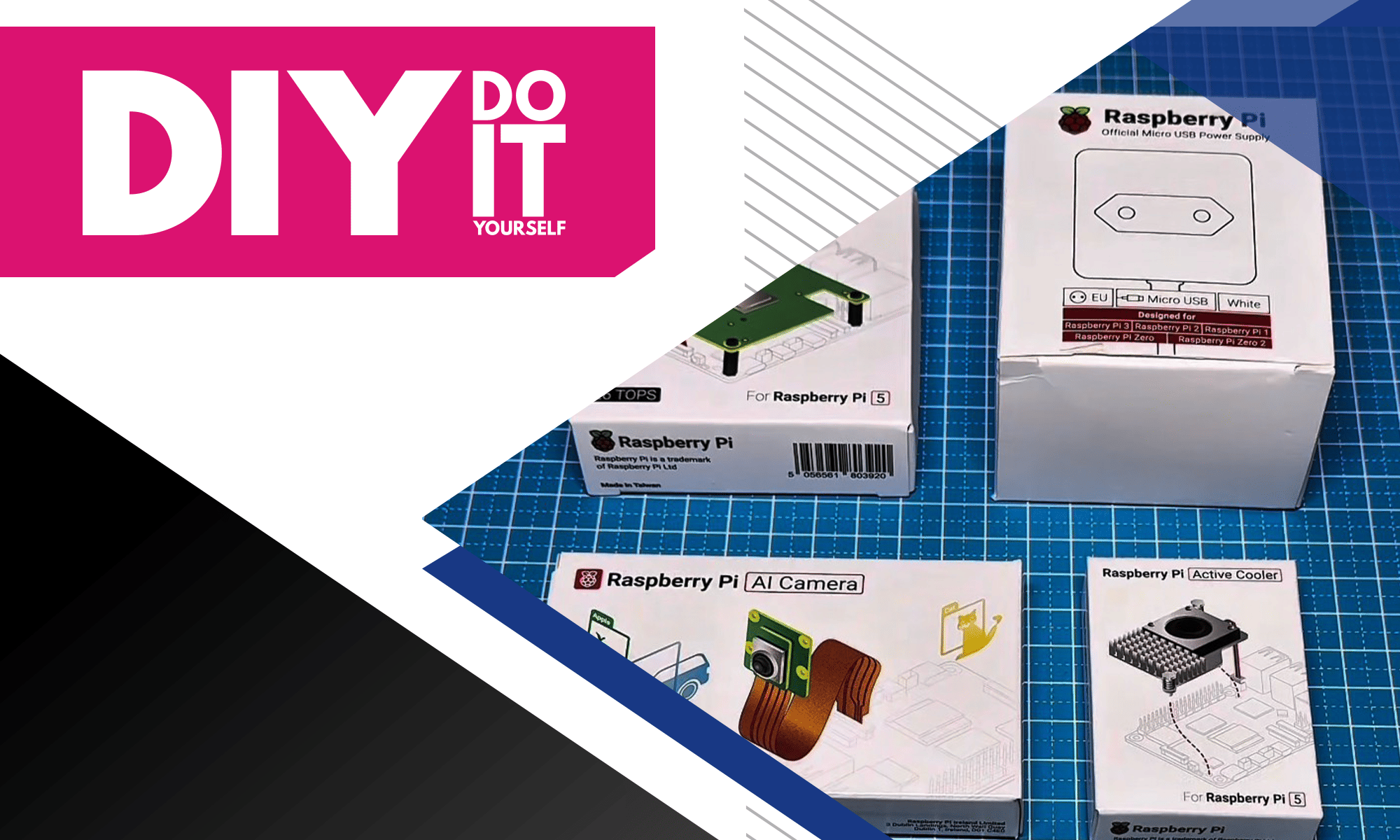
The Pi 5's higher performance goes hand in hand with higher power requirements and harsher thermal requirements. This model was designed to operate with the official 27 W (5.1 V/5 A) Power Supplies and the recommended active cooling, to maintain constant high clock rates without throttling (throttling). On the Pi 4, under lighter loads, passive cooling was sometimes sufficient; on the Pi 5, active cooling is practically standard if you want full performance 24/7.
Transfer Multisort Elektronik (TME) is one of the world’s largest global distributors of electronic components, electrotechnical parts, workshop equipment, and industrial automation. The catalog includes over 1,500,000 products from 1,300 leading manufacturers. TME’s modern logistics centers in Łódź and Rzgów (Poland), with a combined area of over 40,000 m², ship nearly 6,000 packages daily to customers in more than 150 countries.
TME also invests in the development of knowledge and skills of young engineers and electronics enthusiasts through the TME Education project, and supports the tech community by organizing the TechMasterEvent series, promoting innovation and experience exchange.