Does the Raspberry Pi have a built-in GPU accelerator?
Does the Raspberry Pi have a built-in GPU accelerator?
Yes, all modern Raspberry Pi models have an integrated graphics accelerator (GPU) from the Broadcom VideoCore family, which speeds up 2D/3D rendering and video decoding. This is not a separate graphics card, but a block in the SoC that shares memory with the CPU.
What GPU the Raspberry Pi has and what it accelerates
The Raspberry Pi 4 uses the VideoCore VI chip, while the Raspberry Pi 5 uses the newer VideoCore VII, which runs at a higher frequency and supports newer graphics interfaces, including Vulkan 1.2. The generation jump in the Pi 5 translates into noticeably faster graphics rendering and more efficient video playback, resulting in a smoother interface and better performance in multimedia and retro-gaming applications. For a summary of the GPU VI → VII differences and Vulkan 1.2 support, see the official Pi 4 vs Pi 5 comparison. The Raspberry Pi's GPU supports hardware video and display paths, which in the 4 and 5 models enables 4K monitors and smooth scrolling graphical interfaces. In practice, the Pi 5 provides 'smoother' graphics and more efficient video reading than the Pi 4 thanks to a more powerful GPU and faster LPDDR4X memory, as highlighted by performance breakdowns.
What the Raspberry Pi GPU is not
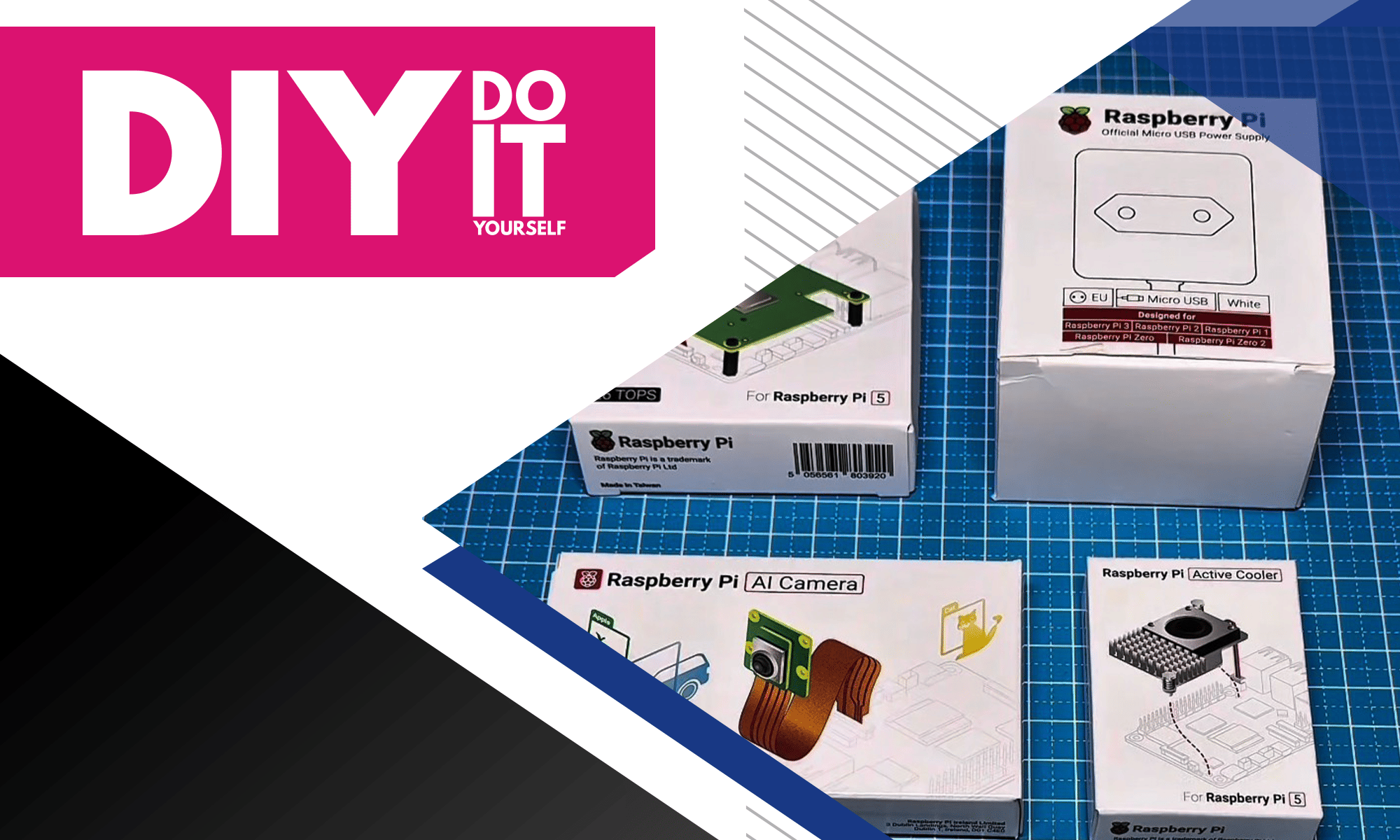
The built-in VideoCore is a graphics accelerator, not an AI accelerator (NPU). Machine learning tasks without additional hardware are performed by the CPU/GPU, and only the addition of an accelerator via PCIe on the Pi 5 (e.g. Hailo-8L in the official AI Kit) gives high throughput inference. In short: the GPU speeds up graphics and video, but does not replace a dedicated NPU
The importance of controllers and operating system
The real benefits of the GPU depend on Controllers and the graphics stack in the system. The Raspberry Pi OS is developed specifically for this platform and provides optimisations for VideoCore, resulting in efficient rendering and an effective video player. In newer Pi 5 releases, the graphics path has been improved, facilitating smooth content display and a 'light desktop' experience. It is worth knowing that the lack of official GPU Controllers for the Windows environment on the Pi limits the hardware graphics acceleration there. This is the main reason why the Raspberry Pi remains practically a 'Linux' platform if you want to take full advantage of the VideoCore.
Raspberry Pi performance limits and expectations
Despite clear advances, VideoCore is no match for dedicated PC GPU cards. In typical office, multimedia and retro-gaming applications it performs very well, but in more demanding 3D games the bottleneck remains GPU power, which is clearly indicated in the analyses for the Pi 5. This means that modern 3D titles or heavy emulators may require detail reduction or fail to achieve stable frames.
Transfer Multisort Elektronik (TME) is one of the world’s largest global distributors of electronic components, electrotechnical parts, workshop equipment, and industrial automation. The catalog includes over 1,500,000 products from 1,300 leading manufacturers. TME’s modern logistics centers in Łódź and Rzgów (Poland), with a combined area of over 40,000 m², ship nearly 6,000 packages daily to customers in more than 150 countries.
TME also invests in the development of knowledge and skills of young engineers and electronics enthusiasts through the TME Education project, and supports the tech community by organizing the TechMasterEvent series, promoting innovation and experience exchange.