Micro- and electromobility. Challenges for a better future
Micro- and electromobility. Challenges for a better futureDate of publication: 18-12-2025 🕒 5 min read
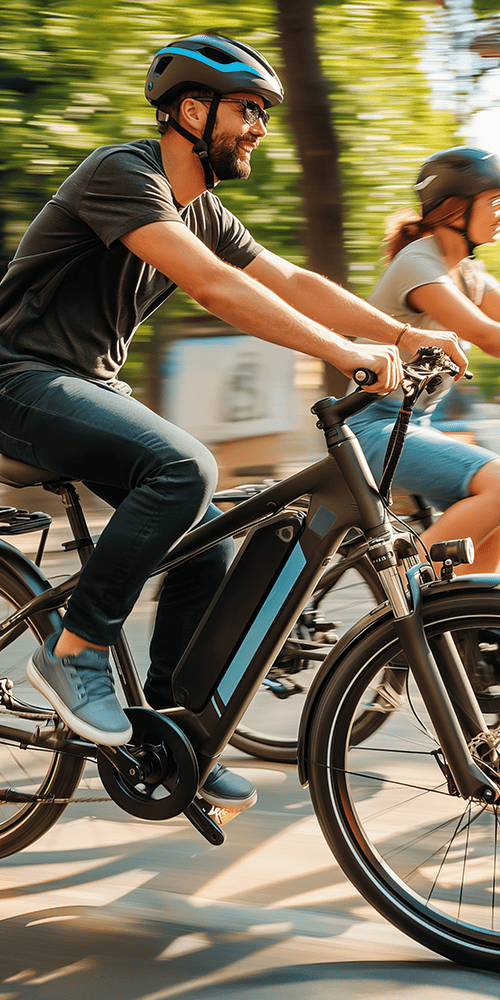
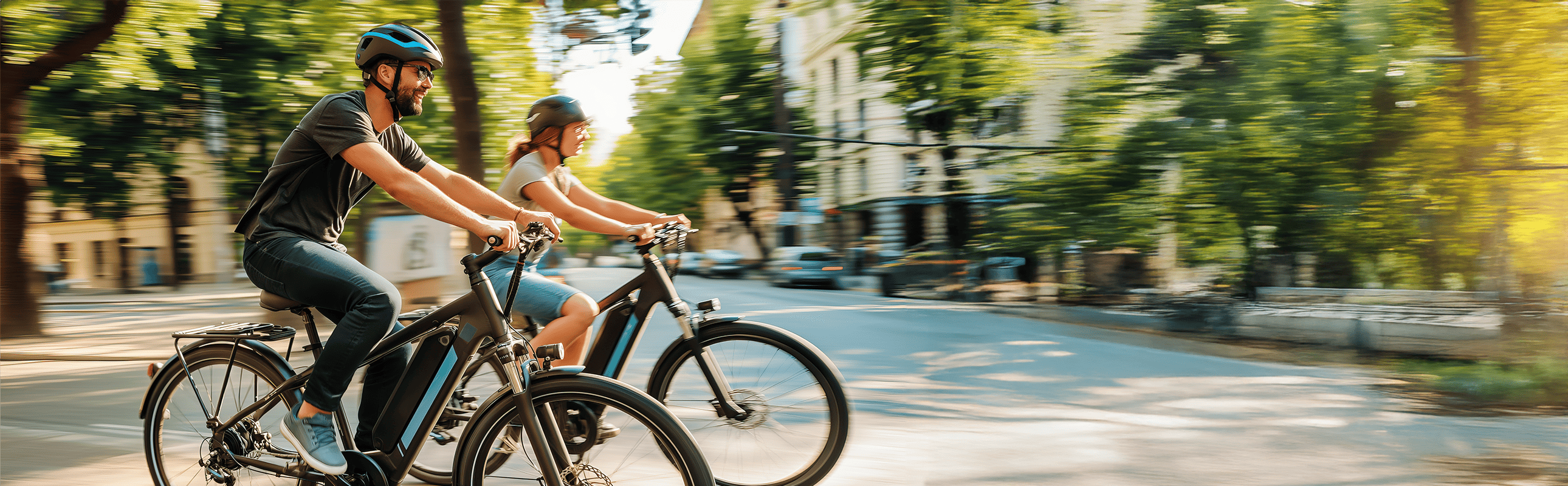
In recent years, there has been an increasing discussion about electromobility, mainly due to the growing popularity of electric cars. However, it is worth remembering that electromobility is not just about passenger cars, but also encompasses a whole range of other vehicles powered by electricity. A particular role is played by micromobility – that is, the use of electric bicycles, scooters, mopeds, or skateboards, which have become a daily reality, especially among younger generations.
Key information in brief
- Electromobility is not just cars, but also bicycles, scooters, mopeds, and other light electric vehicles that increasingly influence urban transport.
- Transport accounts for about 25% of CO₂ emissions in the EU, with 60% generated by passenger cars — hence the change in habits and the development of micromobility have a real impact on the environment.
- Electric motors are cleaner and simpler to operate, but mass electrification requires the development of renewable energy sources, more stable energy systems, and more environmentally friendly batteries.
- Micromobility complements public transport well, shortens journeys, reduces traffic jams, and alleviates parking burdens.
- Light electric vehicles (e-bikes, scooters, mopeds) are cheap to operate, compact, and ideal for short distances, which constitute the majority of daily trips.
- European cities are investing in micromobility infrastructure, such as bike highways in the Netherlands, integration of bicycles with trains in Germany, or sharing systems in large urban areas.
- The future of transport is a mix of mobility — cars, public transport, and micromobility, supported by clean energy and smart urban planning.
The development of electromobility brings challenges for many fields: from battery chemistry and electronics, through energy and charging infrastructure, to legislation. It is enough to mention the discussions around electric scooters on sidewalks, which have become a symbol of new transport problems in cities.
Why is electromobility becoming a necessity?
The main reason for the shift towards electric drives is the dwindling fossil fuel resources and the need to reduce greenhouse gas emissions. It is also hard to overlook that if we manage to obtain electricity from renewable sources, electromobility will also mean fewer emissions and a cleaner environment. It is worth noting that much is said about the need to reduce CO2 emissions, overlooking that transport is not just about passenger cars. According to the European Environment Agency (EEA), the transport sector accounts for about 25% of CO₂ emissions in the European Union, of which passenger cars generate as much as 60%. However, it is important to remember that freight transport, aviation, and shipping also have a huge impact on the environment. In the last three decades, emissions from freight transport have increased by 25%, and from passenger transport by 20%. The problem therefore concerns not only our daily commutes but also the global supply chain and tourism.
The EEA emphasizes that one of the most effective methods of reducing emissions is to decrease the number of trips, both in professional and private life. It is worth asking ourselves: is traveling to the other side of the world really the best way to spend our free time?
Electromobility: opportunities, but also real technological limitations
Electric motors do not emit exhaust gases and are simpler to operate than traditional combustion engines. They can significantly contribute to improving air quality in cities. However, their mass introduction means the need to increase the production of electricity and batteries. And as long as a large part of the energy comes from fossil fuels, simply changing the drive will not be enough. A parallel development of renewable energy sources and nuclear energy is needed.
One cannot forget about the carbon footprint associated with the production and recycling of batteries – from mineral extraction to waste disposal. Therefore, electromobility requires not only technological innovations but also a change in our habits and approach to transport.
First, we need to overcome some inconveniences and stop perceiving the car as the only means of transport. Second, investments in renewable energy sources are needed. The recent increase in electricity production based on solar, wind, and water energy is a good direction, but investments in these technologies and the development of more efficient methods are still needed. Third, we need to change our approach to consumption. Do we really need to drive everywhere, for example? Or maybe we should consider micromobility?

How is micromobility changing cities? From traffic jams to "15-minute neighborhoods"
Micromobility will not replace all means of transport, but it can be a sensible alternative in cities and even in suburban areas. Micromobility is a way of moving using small vehicles equipped with a low-power engine and a small power source, which can be interchangeable or charged in a short time. Such devices are perfect for meeting daily needs, such as commuting to school, the store, or the workplace. They do not require much space, some can be folded and stored in a locker, and additionally, there is no need to pay for parking or garage space. Light, agile, and handy, they allow access to places where traditional means of transport fail.
Electric bicycles, scooters, mopeds, unicycles, or even skateboards work great for short distances and can complement public transport. Imagine a journey: a train to the city, a tram to the center, and the last leg – an electric bike rented through an app. On the way back, we can use the same means of transport, but in reverse order. It is a practical, fast, and eco-friendly solution.
Another group of vehicles, one might say – a "more serious" one, consists of electric scooters and mopeds. They cannot be packed into a backpack and hidden in a locker, but due to their size, they can offer greater travel comfort, a larger range, and allow for the transport of, for example, 2 people. Thus, they can serve not only to cover the distance from the train station to the workplace but also from suburban areas to school, university, or workplace, etc. Their small size facilitates movement through crowded urban roads. Their power source can be interchangeable and/or charged from a typical power grid while not in use.
Thanks to micromobility, traffic in city centers and streets can be reduced, traffic jams and emissions can be decreased. Small devices that assist movement do not require much space to park. They also do not require special efficiency from chargers and energy infrastructure, thus avoiding expenses on infrastructure investments. Micromobility also allows for a kind of revolution in cities and the introduction of the concept of "15-minute cities." This means cities where all key services are accessible within a short time by foot, bicycle, or using micromobility devices.
European examples of effective micromobility implementation
Micromobility has already become the foundation of modern transport in many cities. Many of them are independently developing infrastructure to support this trend:
- In the Netherlands, bike highways are being built, which are multi-lane highways for bicycles.
- In many European cities, the possibility of transporting bicycles and other personal means of transport on suburban trains has been introduced. For example, in Germany, there are not only "park and ride" parking lots where you can leave your car and transfer to a suburban train, but you can also take your bicycle or electric scooter with you on the train to use your personal means of transport after disembarking.
- In large cities, there are systems for shared scooters, mopeds, or electric bicycles. They are located near public utility facilities and tourist attractions.
Development prospects: RES, battery chemistry, integration with public transport
Micro- and electromobility are not just a technological fad but a real response to the challenges of the modern world. The development of light electric vehicles and investments in renewable energy sources can significantly improve the quality of life in cities. This is a trend that is already changing the way we move and will become increasingly important in the coming years. The development of new power supply technologies and the improvement of urban infrastructure will ensure that in the near future, even more people will choose to use light vehicles instead of traditional means of transport.
Transfer Multisort Elektronik (TME) is one of the world’s largest global distributors of electronic components, electrotechnical parts, workshop equipment, and industrial automation. The catalog includes over 1,500,000 products from 1,300 leading manufacturers. TME’s modern logistics centers in Łódź and Rzgów (Poland), with a combined area of over 40,000 m², ship nearly 6,000 packages daily to customers in more than 150 countries.
TME also invests in the development of knowledge and skills of young engineers and electronics enthusiasts through the TME Education project, and supports the tech community by organizing the TechMasterEvent series, promoting innovation and experience exchange.