Active power thyristor triggering units from BSR Controls
Active power thyristor triggering units from BSR ControlsDate of publication: 30-03-2026 🕒 2 min read
Thyristor commonly called silicon controlled rectifier (SCR, Silicon Controlled Rectifier) is a semiconductor switching element with three terminals: anode (A), cathode (K), and gate (G). Thyristors can be in a non-conducting state (reverse state, blocking state) or conducting state. The so-called turning on or off of the thyristor, i.e., transition from one state to another, occurs abruptly and is possible after exceeding a certain value of current and switching voltage. There are various methods of switching the thyristor:
- thermal triggering,
- triggering by light through illumination of the thyristor structure,
- triggering by sudden forward voltage of the anode-cathode junction.
However, the most popular and practical method is gate triggering (gate triggering), which allows switching the thyristor at the desired moment. Simple or more complex circuits are used to generate gate current pulses:
- resistive triggering circuits (resistance triggering circuit),
- resistive-capacitive triggering circuits (RC triggering circuit),
- UJT transistor triggering circuits (UJT triggering circuit),
- triggering circuits with pulse transformer (pulse transformer triggering circuit),
- triggering circuits with opto isolator (opto isolator triggering circuit),
- triggering based on digital logic circuits (digital logic-based triggering).
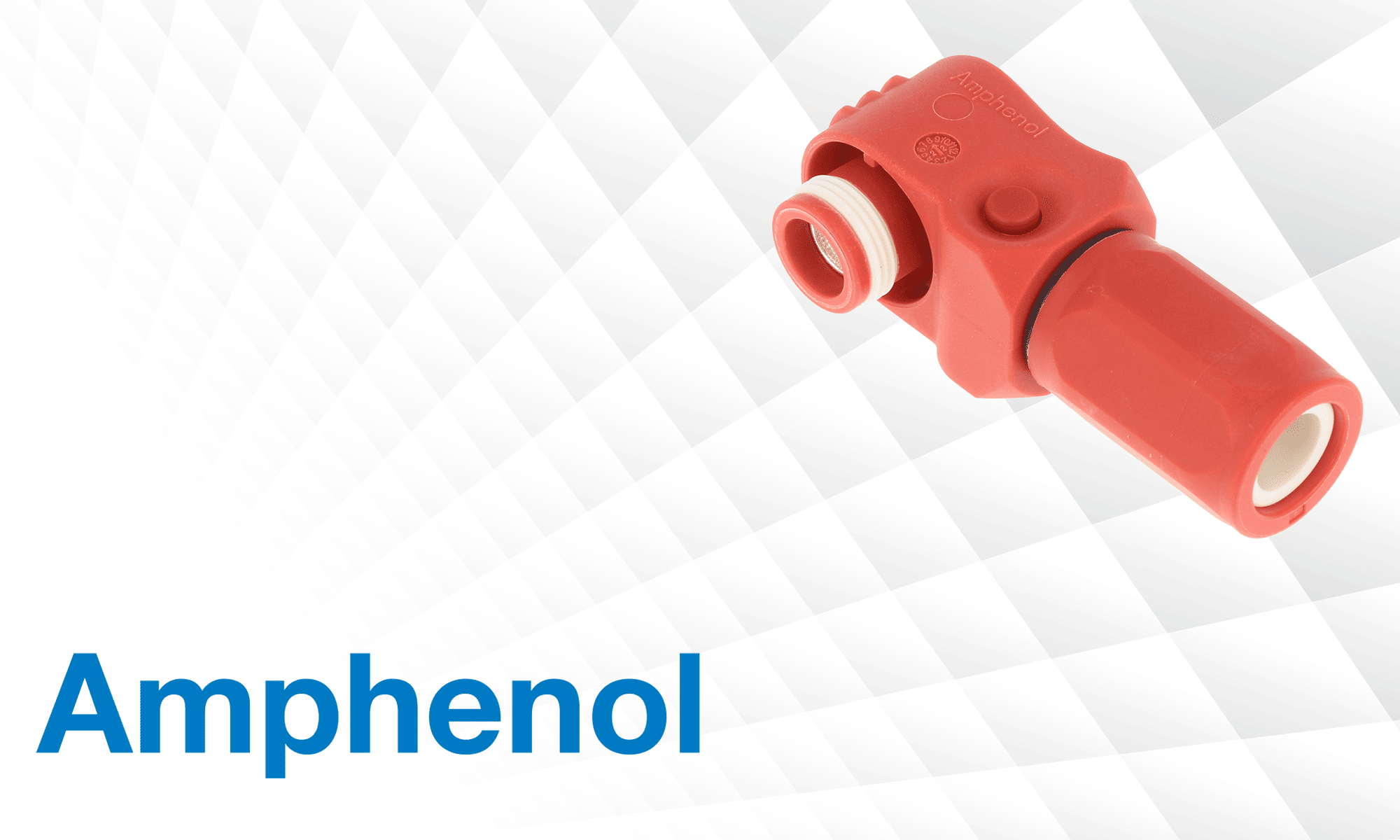
A very interesting solution for switching thyristors is presented by the manufacturer BSR Controls in the form of an active trigger unit ATU (Active Trigger Unit). This is an economical replacement for pulse transformers along with all associated components used in thyristor control devices. The simple design allows for PCB space savings. Low control currents in the range of 10…12mA ideally fit the needs of design circuits where power thyristors of any size are to be controlled by logic elements, e.g., microprocessor or microcontroller. Depending on the model, ATU units can simultaneously control the operation of one or two thyristors under very high loads. They are also characterized by very high immunity to interference in harsh operating conditions.

The operation of the offered modules is based on an optically activated current source connected between the anode and gate of the triggered thyristor. In this way, a small, electrically isolated control current initiates a large gate current without the need for a gate control power supply.
| Characteristics | |
|---|---|
| Module type | thyristor triggering module |
| Electrical mounting* | THT, wires, terminal strip |
| Technology | EZYTrigger™ |
| Control current* | 10…12mA |
| Voltage class* | 2.1…8.0kV |
| Operating voltage* | 690…2500V |
| Operating temperature | -20...85°C |
| Output type | thyristor driver |
| Integrated circuit properties | active trigger unit ATU |
* depending on the model