GPS Tracking
GPS TrackingDate of publication: 15-11-2024 Update date: 10-04-2026 🕒 4 min read
GPS tracking can be highly useful allowing you to monitor the location of devices such as drones or vehicles. This guide demonstrates how to create a GPS transmitter using the Arduino MKR series.
Requred Hardware :
- 1x Arduino MKR GPS Shield
- 1x Arduino MKR WIFI 1010 Board
- 1x USB Cable
What is the Arduino MKR Series?
The Arduino MKR Series is a line of powerful, compact microcontroller boards designed for IoT (Internet of Things) projects. They feature various connectivity options, including WiFi, Bluetooth, and LoRa, enabling seamless communication with other devices and the internet.
Despite their small size, MKR boards deliver impressive computing power, making them ideal for applications ranging from home automation to environmental monitoring. With their user-friendly design and vast community support, the MKR Series is popular choise among hobbyists and professionals.
What is the MKR GPS Module?
The Arduino MKR GPS Shield is an accessory that adds GPS functionality to the Arduino MKR boards. It uses the u-blox SAM-M8Q GPS module to provide precise location data, connecting to multiple satellite systems such as GPS, GLONASS, Galileo, and BeiDou.
The shield communicates with the MKR board via I2C and UART interfaces and includes both an internal and an external antenna connectors for enhanced signal reception.
Designed for low power consumption, it is perfect for battery-powered projects such as vehicle tracking, drones, and outdoor navigation. Supported by Arduino libraries, it allows to easily retrive GPS data for applications like location tracking and time synchronization.
Sample Project:
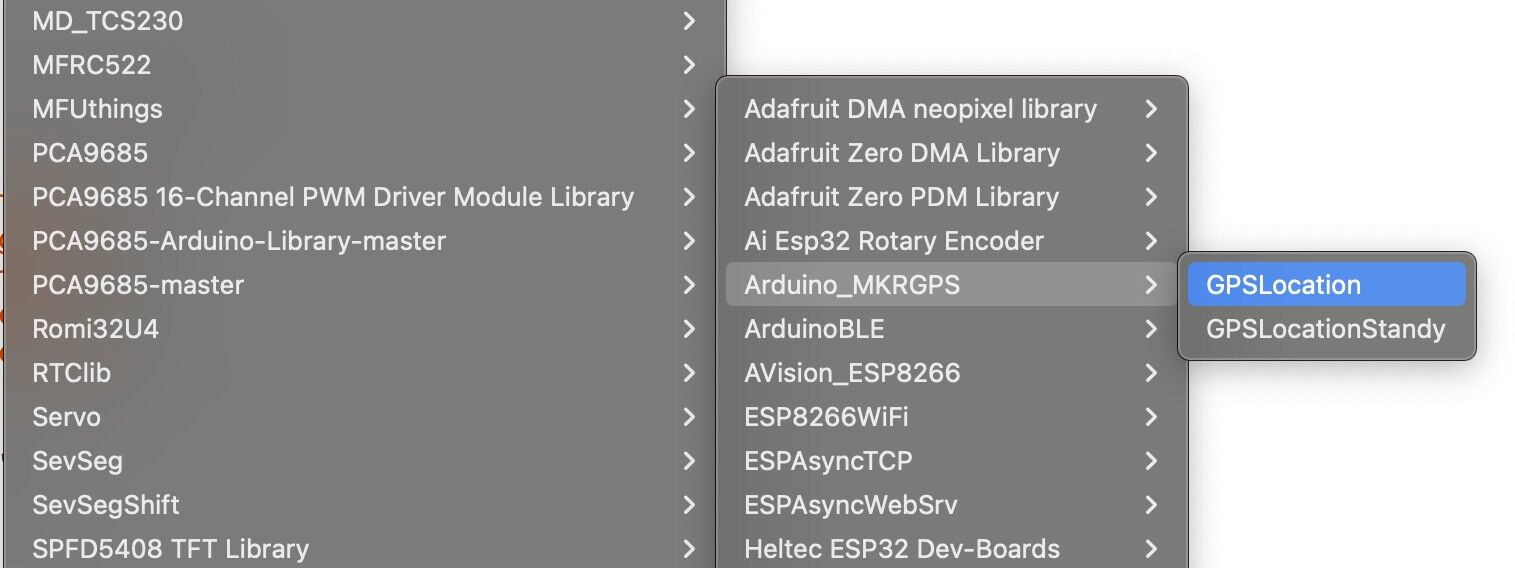
First, we’ll test the GPS shield by running the sample project “GPSLocation” from the Arduino_MKRGPS library.
Step 1:
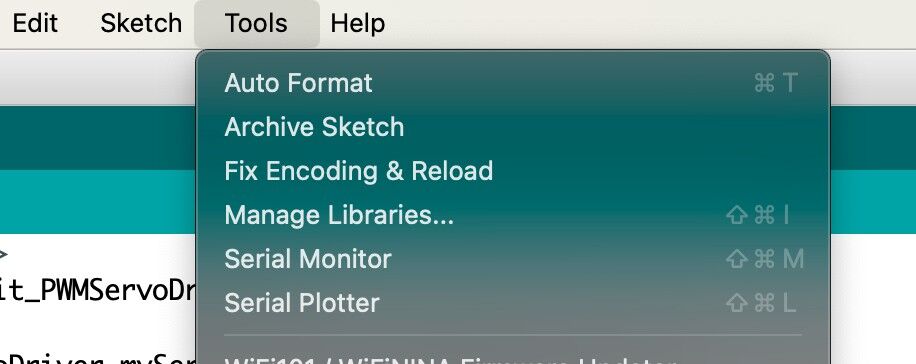
Open the Arduino IDE and install the Arduino_MKRGPS library by selecting “Manage Libraries…” in the Tools menu.
Step 2:

Search for “Arduino_MKRGPS” in the Arduino Library Manager and install the latest version.
Step 3:
Open the sample project called “GPSLocation” and compile it for your Arduino MKR board.
Step 4:
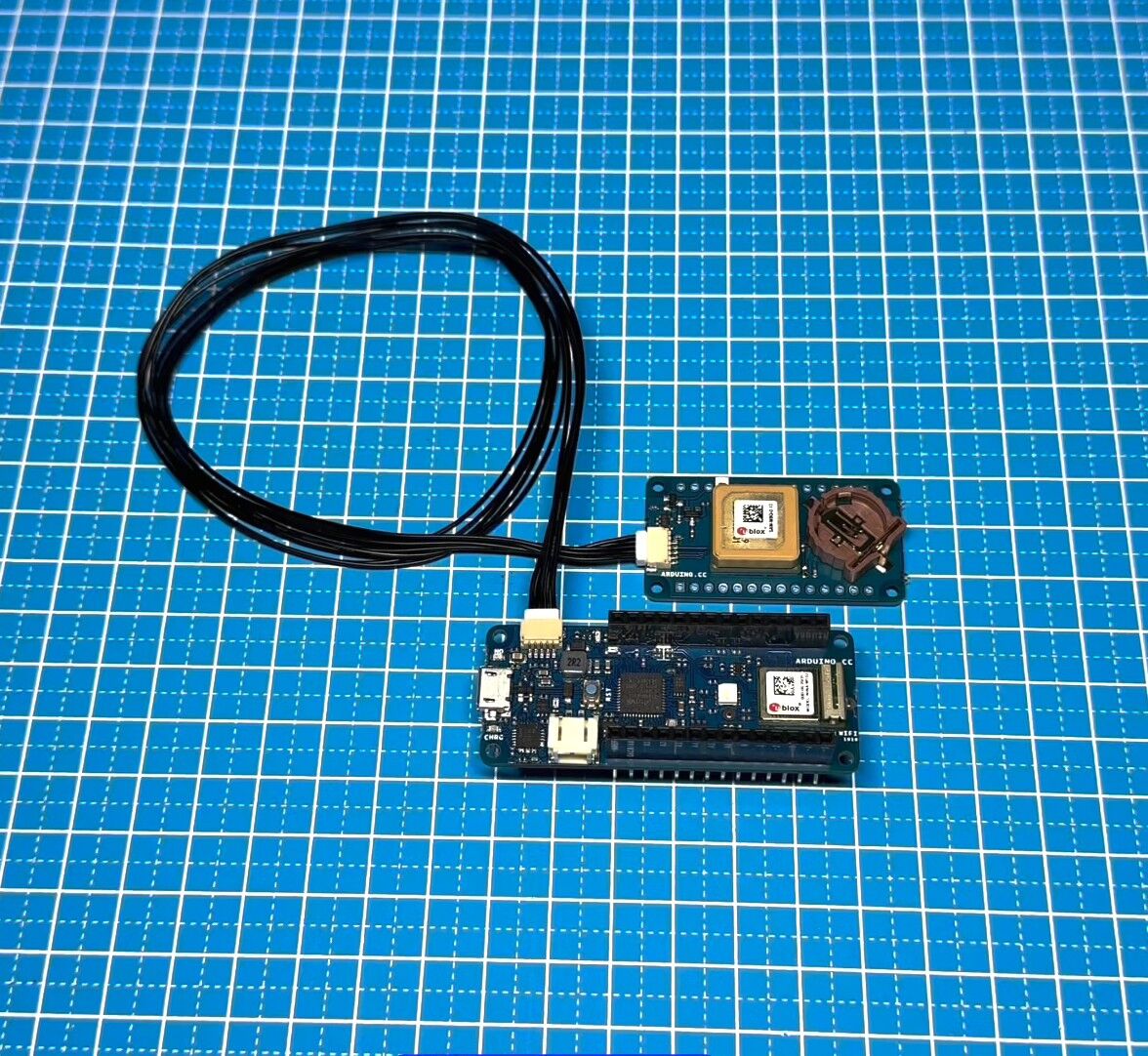
Connect the MKR GPS module to the Arduino MKR WIFI 1010 board using the provided wires.
Then connect the Arduino to your computer using the USB cable.
Now you can upload the sample code to your board.
Step 5:
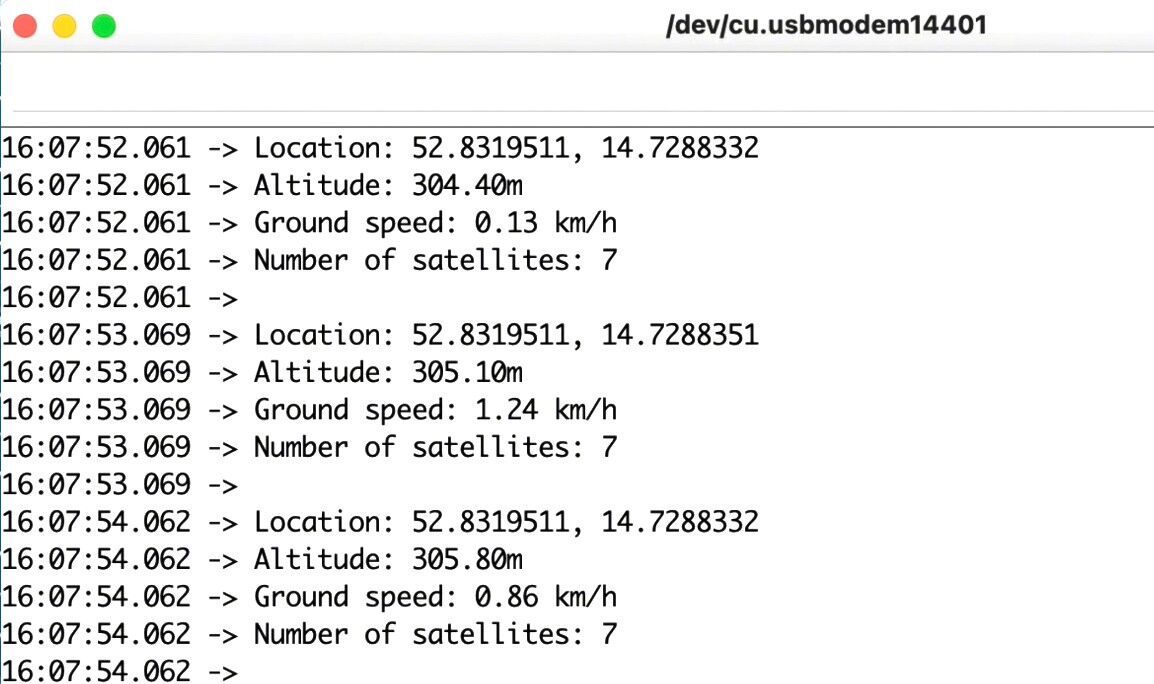
Open the serial monitor. After resetting the Arduino by pressing the reset button, you should be able to see an output showing
the current latitude and longitude data, along with altitude, speed, and the number of available satellites.
Ideas for Additional Projects Using the MKR GPS Shield:
1. Vehicle Tracking System
A vehicle tracking system built with the Arduino MKR GPS Shield can help you monitor your car or bike's location. By placing the GPS shield in a vehicle and connecting it to a mobile network module, the system can send location updates to your phone or a remote server, allowing you to track your vehicle’s current route.
You can also set up alerts to notify you if the vehicle leaves a designated specific area, adding an extra layer of security. This system is particularly useful for managing fleets, like a delivery service, and can help with quick recovery in case of theft.
2. Drone Navigation
Adding the Arduino MKR GPS Shield to a drone enhances its autonomous flight capabilities. With GPS data, the drone can flight precisely along a pre-set path. This feature is valuable for tasks like mapping, surveillance, or package delivery.
GPS helps the drone accurately determine its location, avoid obstacles, and stay on course. Additionally, the return-to-home feature becomes more reliable when the drone loses connection or has a low battery level.
This setup can include features such as maintaining a specified altitude and speed, making the drone’s navigation system highly reliable for covering large areas.
3. Personal Tracking Device
A personal tracking device equipped with the Arduino MKR GPS Shield can provide safety for tourists, travelers, and adventurers. This small, portable device can periodically send your location to a friend or family member, ensuring they always know where you are.
In an emergency, you can send an alert with your exact location enabling rescuers can quickly find you. The device can also log your route, helping you find your way back if you become lost. By pairing it with a smartphone app, you can view your current location and navigate more effectively. This project provides peace of mind for both you and your loved ones while exploring the outdoors.
Transfer Multisort Elektronik (TME) is one of the world’s largest global distributors of electronic components, electrotechnical parts, workshop equipment, and industrial automation. The catalog includes over 1,500,000 products from 1,300 leading manufacturers. TME’s modern logistics centers in Łódź and Rzgów (Poland), with a combined area of over 40,000 m², ship nearly 6,000 packages daily to customers in more than 150 countries.
TME also invests in the development of knowledge and skills of young engineers and electronics enthusiasts through the TME Education project, and supports the tech community by organizing the TechMasterEvent series, promoting innovation and experience exchange.