How to maximise machine uptime?
How to maximise machine uptime?Date of publication: 22-07-2020 Update date: 10-04-2026 🕒 8 min read

Automating manual tasks to increase productivity and throughput is a given. However, if the machine breaks down unexpectedly, these efficiencies may quickly diminish as every second of downtime costs. In this article, TME provides some top tips to consider that will help ensure maximum uptime.
Most important information at a glance
- Machine uptime is a key indicator of equipment performance.
- Maximizing uptime reduces downtime costs and increases productivity.
- Maintenance strategies include reactive, preventive, and predictive.
- Modern technologies (IoT, sensors) enable intelligent failure prediction.
- Regular preventive maintenance extends equipment life cycle.
- Ensuring access to spare parts minimizes downtime.
- Industrial process control systems are key, e.g.,. ethernet networks.
- The right tools reduce repair and maintenance time.
- Use of UPS-protects equipment from the effects of power failure.
- Integration of advanced software (e.g., APIs. APIs) optimizes maintenance management and parts availability.
Maintenance strategies
One of the most important aspects of maximising uptime is to ensure a proper maintenance strategy is in place. Traditionally, maintenance engineers have employed two approaches – reactive or preventative – each one with advantages and limitations that must be considered.
The reactive maintenance strategy follows the code to only fix the machine or replace components when they fail. This approach may seem to be the cheapest regime to follow, however, the engineer does not know when this failure may occur. In a large manufacturing facility, the odds are that at any given point in time a piece of equipment will need some form of maintenance. As downtime is unplanned, productivity and throughput of the line may be adversely affected and costly. Worse still, if a replacement part is not available onsite, downtime may be longer, costlier and even cause a knock-on effect further down the line.
Preventative maintenance, on the other hand, takes a more planned approach. Regular equipment checks flag up imminent component failure before any costly damage is done; this enables the engineer to schedule maintenance in a timely manner and ensure that replacement parts are onsite to minimise downtime. Routine maintenance, based on average life cycles of components, also reduces emergency repairs and extends the life of critical equipment. While this strategy improves productivity compared to the reactive approach, early part replacement may come at an expensive cost.
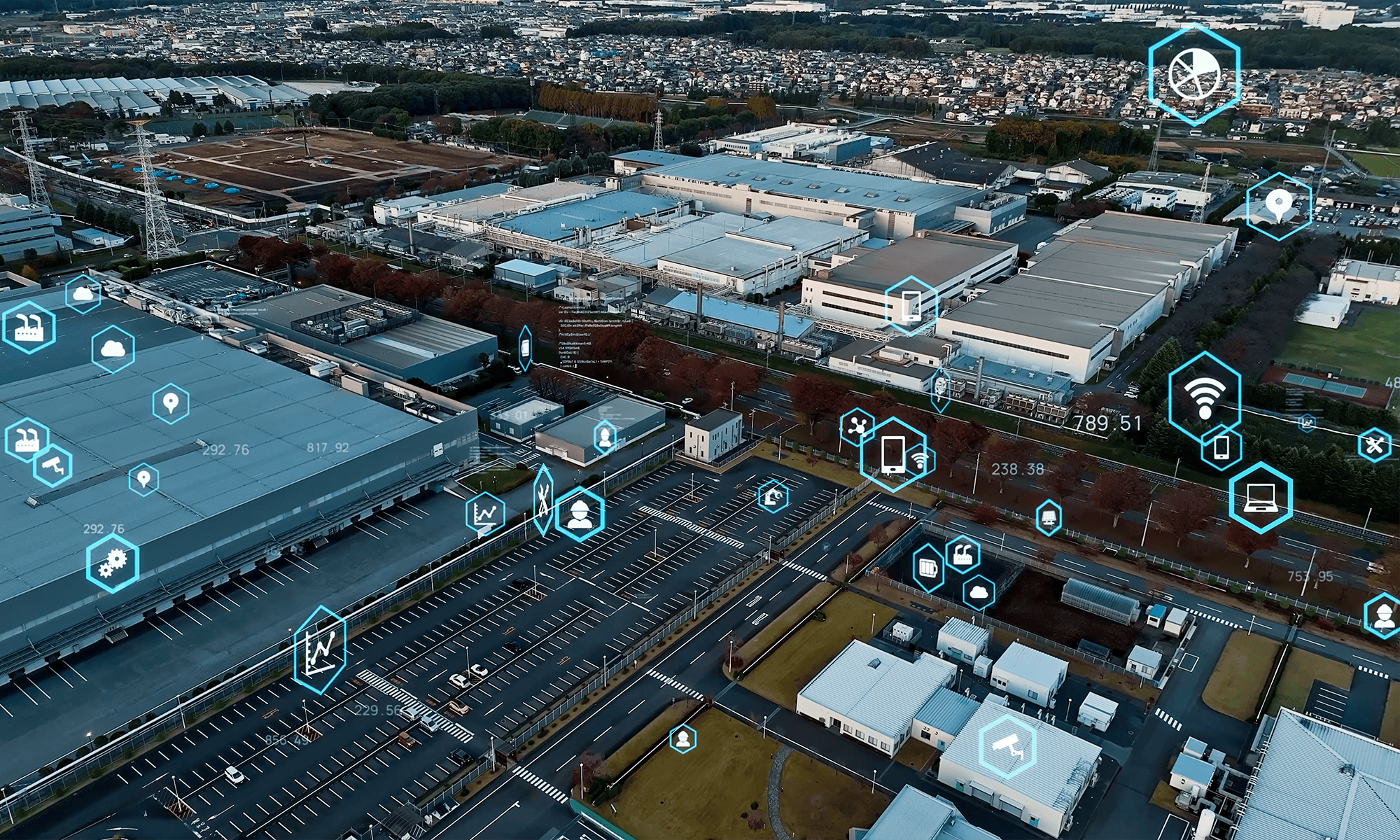
 Figure 1 - Industry 4.0 practices are giving engineers increased intelligence so they can conduct smart predictive maintenance regimes to minimise downtime.
Modern automation technologies, which implement the Industrial Internet of Things (IIoT) and Industry 4.0 practices, enables predictive maintenance – also known as smart maintenance(figure 1). This approach relies on sensors placed on critical components and systems that continuously monitor the condition of the equipment. By implementing a predictive strategy across the plant, engineers can track the performance of each machine in real-time and forecast when and where essential maintenance is required. It also increases the lifecycle and uptime of the machines, allowing engineers to manage their maintenance teams and spare parts department more efficiently and make associated cost savings.
Power back-up
In manufacturing facilities, particularly ones with unpredictable power conditions, back-up power in the form of uninterruptible power supplies (UPS) is essential. Sudden power cuts, voltage dips/spikes or brownouts can lead to unexpected downtime. UPS systems, such as those manufactured by Eaton, help protect critical applications from downtime, data loss and corruption. They are used around the world as back-up power for sensitive automation and control components, workstations, technological process management centres and industrial data processing, enabling them to shutdown securely and safely or providing sufficient time for a back-up generator to come online.
Systemic process control
Issues related to the maintenance of automation systems are inseparably linked to thorough control of how these systems work and perform. This is why solutions that allow centralised monitoring of industrial processes are so popular in modern industry. They are based on networks such as Ethernet. A well-known example of such a communication standard is Profinet (the name is derived from Process Field Network). It defines methods for aggregating sensor data and transmitting commands to receivers in a time-critical manner, so that real-time process monitoring is possible. It should be noted here that this is just one of many ways Ethernet can be deployed in an industrial setting – Modbus TCP and other related standards also serve similar purposes.
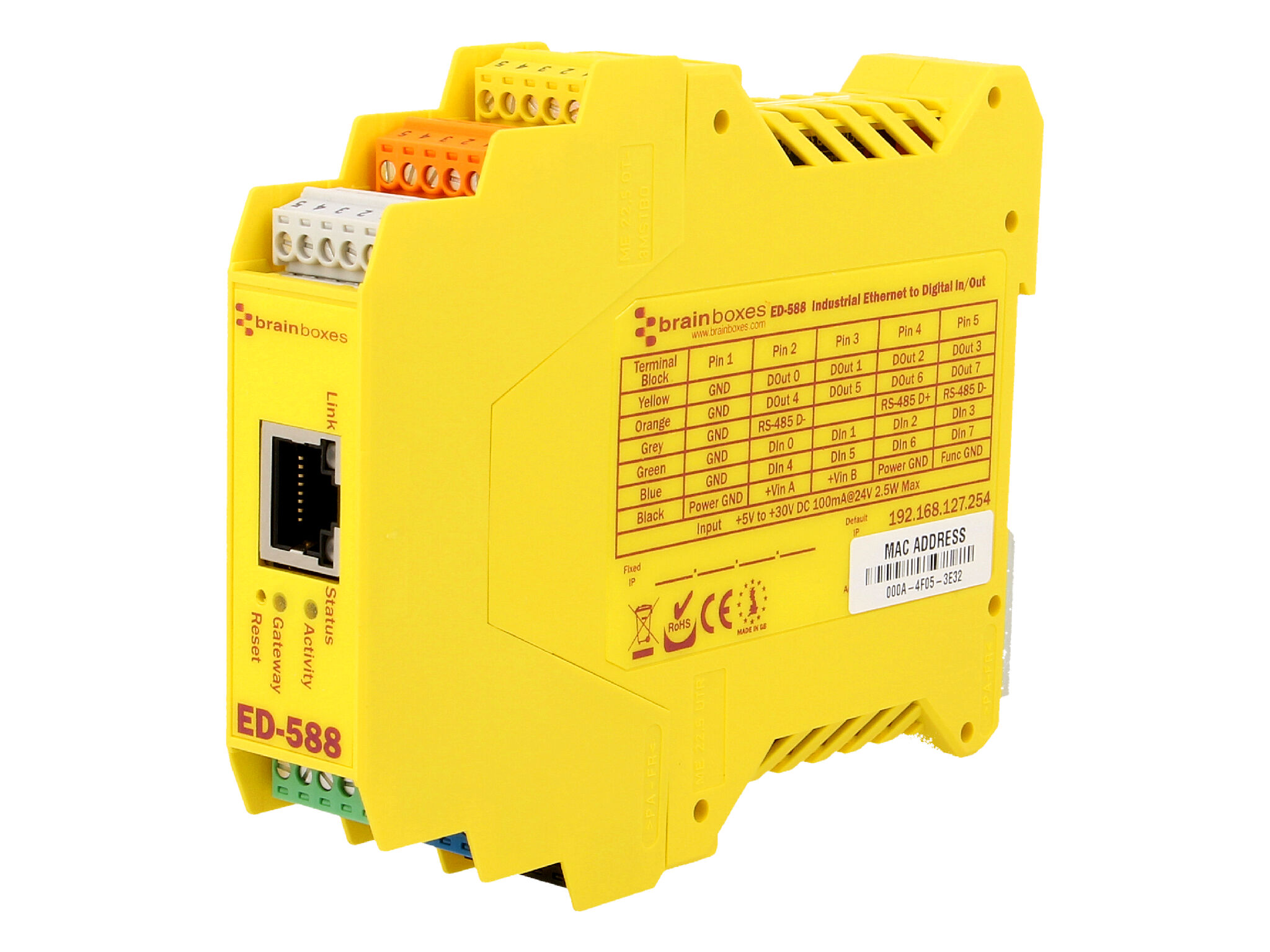 Figure 2 – Ethernet gateway with 8 input and 8 output lines.
A number of manufacturers offer special computers that are designed specifically for industrial control applications. Among these suppliers, there is Brainboxes, a brand which specializes in the development of solutions such as controllers based on Raspberry Pi and Arduino modules, serial port converters and servers, as well as basic network infrastructure components (e.g. switches). In fact, instrumentation for industrial networks has become a separate area in the field of automation. These devices make it possible not only to fully control scalable processes, but also to obtain detailed information on the operation and wear and tear of individual system components (even individual sensors), which is particularly important in the context of preventive maintenance..
It should be emphasised here that the proper operation of industrial networks depends heavily on the cabling applied in the construction of their infrastructure. Industrial-grade Ethernet cables are designed to operate in the presence of electromagnetic interference and are insulated with materials that are immune to hydrolysis and a range of chemical agents – in this area of application, investors should definitely seek quality, not savings.
Right tools
Regardless of the maintenance regime in place, having the right tools in hand is essential in minimising downtime. Consider a simple screwdriver; a power tool will enable engineers to complete the job faster. By ensuring the maintenance kit contains all the necessary tools, measuring equipment and other essential items, precious time is saved(figure 3).
 Figure 3 – Include basic maintenance tools in the kit to minimise downtime
Spare parts
Having the right spare parts is vital to ensuring quick replacement are made. With an easy to use and navigate ordering system, such as TME’s Application Program Interface (API), engineers can optimise this process. By spending less time in parts selection and receiving the order quickly, they can get their automation line back up and running swiftly. As an official distributor for many leading brands, including Eaton, Panasonic, HARTING and Omron,TME the perfect partner. The API is an online catalogue, which holds technical data for thousands of electronic parts, and is available in multiple languages and currencies. As TME updates warehouse stock in real-time, engineers know exactly how many parts are available with prices. A loyalty discount structure is also available.
Conclusion
For modern automation lines to remain competitive and ensure they are operating as efficiently and profitably as possible, machine uptime is essential. Distributors with a robust and rapid supply chain network, such as TME, can ensure the right components are available whenever they are needed. By enabling direct ordering of all key components, the API helps improve efficiencies and reduce downtime. These benefits can be maximised even further when predictive maintenance regimes are in place. An effective strategy that minimises downtime also helps accelerate return on investment.
For further information on TME and its API tool visit: developers.tme.eu
FAQ - Frequently Asked Questions about maximizing the uptime of equipment and machinery
What is machine uptime?
Machine uptime is the percentage of time, during which a particular machine or system is available and running smoothly relative to its total scheduled uptime. A high uptime indicates a minimum number of failures and optimally managed maintenance, resulting in increased productivity and lower operating costs. Regular monitoring of this indicator makes it possible to quickly detect problems and implement appropriate preventive measures.
What are the methods of calculating machine uptime?
The calculation of uptime is based on determining the ratio of the machine's uptime to the total time, during which the machine should be available. The most commonly used formula is:
Uptime (%) = (Uptime / Total time of scheduled operation) × 100%
For example, if the machine worked properly for 720 hours out of the available 730 hours per month, its uptime would be approximately 98,6%. Accurately tracking this data allows you to plan maintenance work more effectively and improve overall production efficiency.
How to improve the uptime of machines in a company?
To improve machine uptime, it is worth implementing several key strategies:
- Preventive maintenance - Regular maintenance and replacement of consumable parts on schedule, thus avoiding unexpected failures.- Predictive (predictive) maintenance - use of modern technologies, such as IoT and smart sensors, which monitor machine operating parameters in real time, which makes it possible to predict possible failures.- Investment in backup power sources (UPS) - ensuring power supply continuity protects equipment from the effects of sudden power failures.- Training of technical staff - a properly trained service team diagnoses faults faster and carries out repairs more efficiently.- Availability of spare parts - maintaining a stock of strategic spare parts and working with a trusted supplier, which guarantees fast deliveries.
Implementing these solutions translates into higher production efficiency and long-term savings from less downtime.
What is the difference between preventive maintenance and predictive maintenance?
Predictive maintenance is based on regular, scheduled maintenance and replacement of consumable components, before they reach complete wear and tear. This avoids sudden failures, however, it sometimes generates additional costs due to replacement of components, which could still work.Predictive (predictive) maintenance is an advanced approach based on real-time monitoring of machine conditions, using technologies such as IoT, vibration sensors, temperature and pressure. By analyzing the collected data, it is possible to predict the occurrence of failures well in advance. Predictive maintenance optimizes costs by replacing components exactly when, when necessary, without the risk of unnecessary interventions.In practice, the combination of both methods gives the best results, providing an optimal balance between maintenance costs and production efficiency.
Why use UPS in industrial plants?
Uninterruptible Power Supplies (UPS) are key devices that ensure the continuous operation of industrial systems, especially under unstable power supply conditions. Sudden power outages, power surges or temporary power failures can cause damage to electronic equipment and costly production downtime.The use of Power Supplies allows:- Safe shutdown of equipment during power failures, protecting sensitive data and components from damage.- Protecting key control and Automation systems, ensuring continuity of the technological process.- Minimize financial losses associated with unplanned downtime and failure costs.- Preserve data integrity and the ability to back it up before equipment is disconnected.Investment in UPS is particularly important in industry, where even short power outages can generate large production losses and costs associated with restarting process lines.
How to choose the right spare parts for industrial machinery?
Selecting the right spare parts for industrial machinery is key to minimizing downtime and ensuring the long-term reliability of the equipment. In order to effectively select spare parts, it is worth following the following principles:- Cooperation with reputable suppliers - By choosing trusted partners such as TME, you have a guarantee of high quality products and fast order fulfillment.- Using API interfaces and digital catalogs - Tools like these allow you to quickly identify relevant parts and their availability in real time.- Use of original components - Original parts ensure full compatibility with the equipment and a longer period of failure-free operation.- Strategic inventory - it is worth maintaining an adequate stock of key components, so that in the event of failure, repairs can be made quickly without waiting for parts to be delivered.- Systematic control of inventory levels - ongoing monitoring allows you to avoid situations, in which the necessary part is not available, which significantly prolongs downtime.Well-thought-out spare parts management allows to avoid long-term production downtime, reduce the cost of emergency deliveries and increase the overall efficiency of plant operation.
Transfer Multisort Elektronik (TME) is one of the world’s largest global distributors of electronic components, electrotechnical parts, workshop equipment, and industrial automation. The catalog includes over 1,500,000 products from 1,300 leading manufacturers. TME’s modern logistics centers in Łódź and Rzgów (Poland), with a combined area of over 40,000 m², ship nearly 6,000 packages daily to customers in more than 150 countries.
TME also invests in the development of knowledge and skills of young engineers and electronics enthusiasts through the TME Education project, and supports the tech community by organizing the TechMasterEvent series, promoting innovation and experience exchange.