Protection against static discharge – ESD-protective materials
Protection against static discharge – ESD-protective materialsDate of publication: 16-09-2022 Update date: 10-04-2026 🕒 5 min read

- Protection against ESD and the work of the ESD coordinator
- EPAs – effective protection from ESD
- Antistatic agents, ESD sponges and ESD mats
According to the definition, electric charge is “the physical quantity that characterises bodies on which electromagnetic field has an effect and those which are sources of electromagnetic field”. We observe electric charges at the workbench, where it is most dangerous, but also in normal, everyday like, like when we comb our hair or take off a pullover. Electrostatic discharge occurs during all these activities.
Static energy often causes electrostatic discharge in a process called the triboelectric effect. When the surfaces of materials touch and then separate, electric potential may move between these two substances in the air, which results in an ESD event. Although we can see a spark during this process, a lot of such events happen without it.
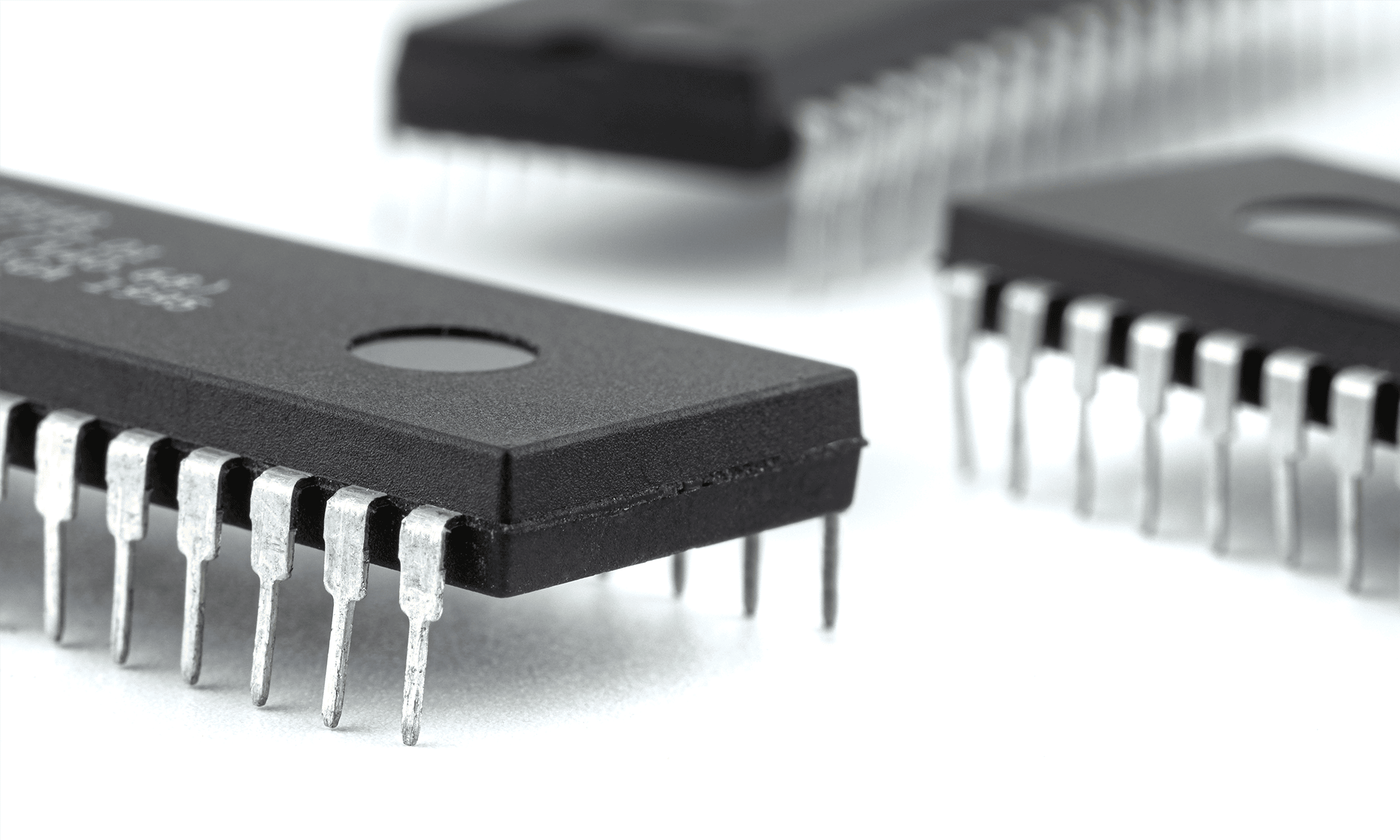
In many situations, ESD may be dangerous or destructive. Sparks are naturally a problem in all areas where easily flammable gases or liquids may be present, so such applications require strict safety measures to prevent the build-up and discharge of static energy. Small, invisible electrostatic discharge events may also cause serious problems around sensitive electronic components. The microchips of integrated circuits are especially prone to electrostatic discharge. Discharge as small as 30V, which is hard to detect using our senses, is more than enough to damage most integrated circuits. During production and installation processes, some hard-to-find damage of various elements may occur. An electronic part subjected to small electrostatic discharge may not fail immediately, but it can definitely shorten the service life of the end device.
Protection against ESD and the work of the ESD coordinator
Creating a production environment that is free of any electrostatic discharge requires a lot of precise work and application of specialist materials. A responsible attitude of employees in these areas is also important. Additional effort put into that results in reduced material losses and improved quality. The list below contains some of the elements needed to create a work area that is free from electrostatic discharge.
- Monitoring equipment: Meters which can detect and measure all ESD events.
- Workplace with a limited static area: Floor or table mats made from conductive materials; additionally, antistatic wristbands and dehumidifiers decrease the possibility of ESD and contribute to better protection.
- Using antistatic materials: ESD-proof packaging, paints, clothes, and footwear contribute to a significantly improved protection against discharge.
Engineers who design automated production processes usually choose static-dissipative materials for every surface which will come in contact with sensitive electronic elements. These special materials can conduct electricity, but they do it very slowly. All accumulated static charges are dissipated without sudden discharge which could damage the inner structure of silicon integrated circuits. That is why the machines used in the production process are usually safe, if this problem has been taken into account already at the design stage.

Often, companies hire ESD coordinators to deal with protection against electrostatic discharge during work. They are responsible for all activities connected with ESD protection in the workplace. The person appointed for this position usually has to complete relevant practical and theoretical training based on IPC training materials as well as PN-EN 61340-5-1, PN-EN 61340-5-2 and ANSI/ESD S.20.20-2007 standards, which define the methods and conditions of ESD protection.
EPAs – effective protection from ESD
The area protected from ESD, also called EPA, is an area in a building which is protected from the effects of static energy. It guarantees that the generation and transfer of electrostatic charges is limited to the minimum and that sensitive devices or products are protected. Creating an area protected from electrostatic discharge requires not only ensuring appropriate devices and tools, but also observing certain procedures which give assurance that devices sensitive to electrostatic discharge are not exposed to damage.
Properly configured ESD protection, which is an EPA zone, minimises the failure ratio during manufacture, storage and transport of products. Thanks to this, return on investment in ESD-protected areas can be enjoyed really soon after it is made, both in terms of direct production cost and in the later life of the product, as its reliability will be higher.
There are a lot of different measures which can be applied to ensure a safe ESD environment for electronic components, elements, and assemblies. Work on an ESD-protected area should start with careful analysis in order to determine what measures are required. It is very easy to assume that all possible measures should be applied, but this can result in spending more than is needed.
EPAs provide protection thanks to several wide categories of protective measures: ESD-protected floor, footwear, workbenches, chairs and ionizers. Additionally, special tools are used with electrostatic protection as well as protective clothing etc.
Antistatic agents, ESD sponges and ESD mats

Let us focus on a few components ensuring antistatic protection selected from the entire available range of such products. Whenever we search for products ensuring ESD protection, we should focus on the symbols assigned by manufacturers. There are different symbols on different products, which show if the product is sensitive to electrostatic charges, like in the case of sensitive electric elements. Other products may have symbols showing that they ensure antistatic protection, as is the case of antistatic bags. The symbol often includes a crossed-out hand as a warning related to the protected product, showing that it is sensitive to discharge and thus no one should touch it. Another version of a symbol has a triangle surrounded by an arc. This variant refers to the antistatic protective device like an antistatic wristband, and not the protected element. Usually, there is no crossed-out hand symbol, which means that contact with the element is safe.
- Agents ensuring protection from electrostatic discharge. At TME, you will find aerosols for use in work areas, as well as special ESD cleaning agents for floors.
- ESD mats eliminate the triboelectric effect on their surfaces and protect all products placed on them. An effective antistatic mat must be able to conduct electric current, and its conductivity range is important. For the mat to correctly ground the object, it must be conductive or dissipative and use grounding (it should include a ground wire). If the material is insulating, objects will not let the charge drain into the ground. If the resistance of the mat is too low, static charges move to the mat, and a spark is created causing electrostatic discharge, which in turn damages electric devices. If the resistance of the mat is too high, static charges move slowly and objects placed on the mat do not lose the charge. If the object is removed from the mat, the static charge can be released onto other objects. ESD work surfaces, like mats, are usually an integral part of an ESD workstation, especially in places where manual assembly is performed. It is important that all benches and work surfaces are covered with an appropriate ESD material and are properly connected to the ground using a system of wires and earth bonding points (EBP). Most workstations use flexible ESD mats to cover the table and serve as a work surface on which we can place ESD-sensitive objects (ESDS). The mat must be grounded, and the best way to do it is by using metal grounding latches and grounding wires, connecting the mat’s work surface with a common ground point. The entire tabletop should be covered with an ESD mat.
- ESD sponges are used for securing sensitive electronic elements from unwanted discharges during the transport and packaging of products.
When designing an EPA, it is best to choose solutions that are the most beneficial in a given case. The best attitude to such choices involves in-depth analysis of needs for a given workplace, so that the protection rules can be transparent and optimal. Details can be very significant – for example, boxes or containers used for warehousing, office equipment like scissors or pens, and items used for cleaning – cloths, brushes or even hoovers.
Transfer Multisort Elektronik (TME) is one of the world’s largest global distributors of electronic components, electrotechnical parts, workshop equipment, and industrial automation. The catalog includes over 1,500,000 products from 1,300 leading manufacturers. TME’s modern logistics centers in Łódź and Rzgów (Poland), with a combined area of over 40,000 m², ship nearly 6,000 packages daily to customers in more than 150 countries.
TME also invests in the development of knowledge and skills of young engineers and electronics enthusiasts through the TME Education project, and supports the tech community by organizing the TechMasterEvent series, promoting innovation and experience exchange.