Internet protocol (IP) - definition
Internet protocol (IP) - definition
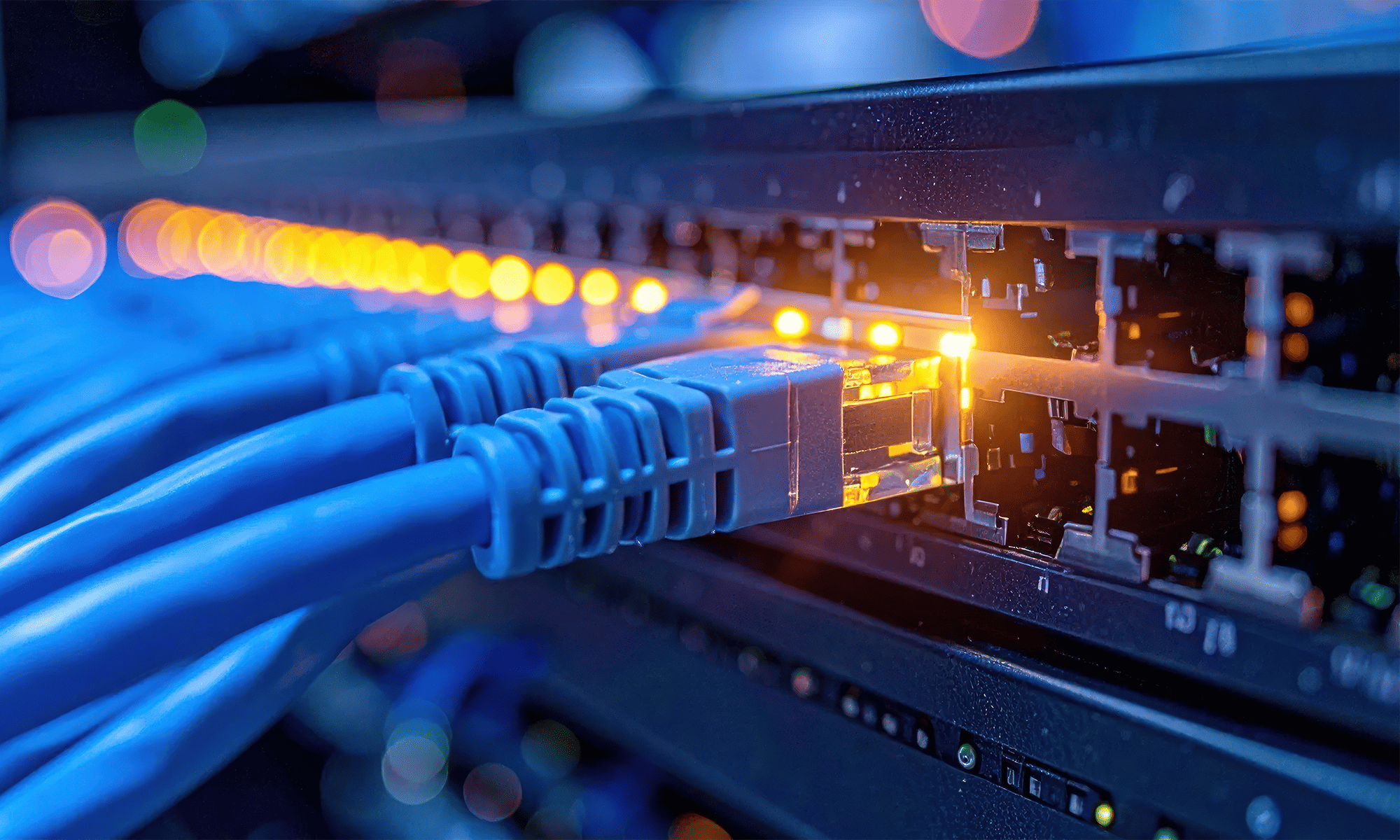
Internet Protocol (IP) is the core network layer protocol in the TCP/IP model, responsible for addressing, fragmentation, and transmission of data packets between devices in computer networks, including the Internet. IP enables communication between hosts located in different physical networks by providing a mechanism for logical addressing and routing. Each device in the network is assigned a unique IP address, which identifies the sender and recipient of the packet.
The protocol operates in a connectionless mode and does not guarantee packet delivery, order, or data integrity - these functions are handled by higher-layer protocols such as TCP. IP defines the structure of a packet, including header fields that contain essential transmission information, such as source and destination addresses, packet length, identifier, and time to live (TTL). These mechanisms allow routers to make routing decisions and forward packets to the appropriate destination networks.
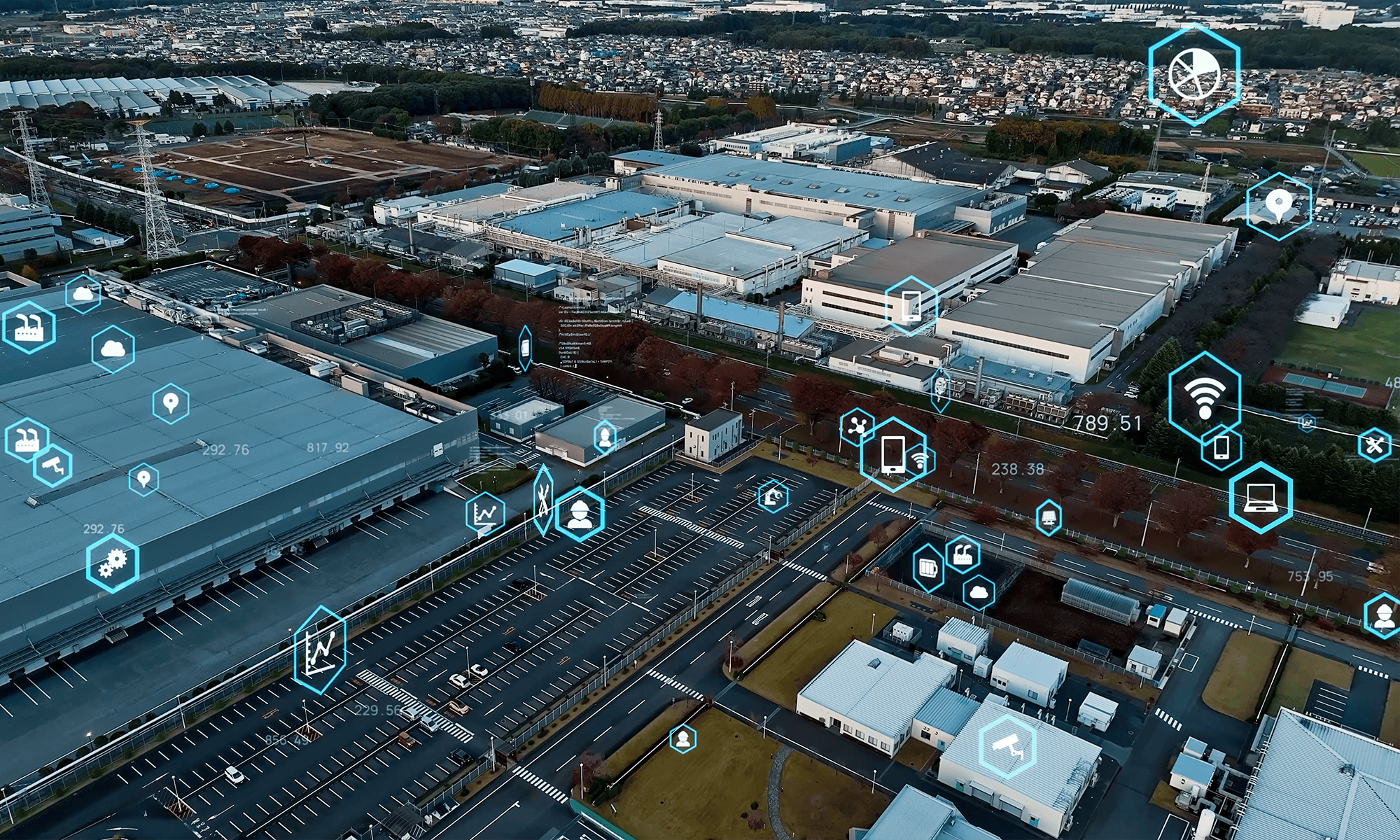
Two versions of the protocol are currently in use: IPv4 and IPv6. IPv4 uses 32-bit addresses, limiting the address space to about 4 billion addresses. IPv6, on the other hand, uses 128-bit addresses, significantly expanding the addressing capacity and introducing enhancements in configuration, security, and transmission efficiency. The adoption of IPv6 addresses the growing demand for IP addresses driven by the rapid expansion of the Internet of Things, mobile networks, and cloud services.
IP serves as the foundation of modern network communication and functions independently of the transmission medium—it can be used in both wired and wireless networks. Its universality and scalability enable the integration of various transmission technologies and ensure interoperability of devices and IT systems on a global scale.
Transfer Multisort Elektronik (TME) is one of the world’s largest global distributors of electronic components, electrotechnical parts, workshop equipment, and industrial automation. The catalog includes over 1,500,000 products from 1,300 leading manufacturers. TME’s modern logistics centers in Łódź and Rzgów (Poland), with a combined area of over 40,000 m², ship nearly 6,000 packages daily to customers in more than 150 countries.
TME also invests in the development of knowledge and skills of young engineers and electronics enthusiasts through the TME Education project, and supports the tech community by organizing the TechMasterEvent series, promoting innovation and experience exchange.