Programming industrial and domestic robots
Programming industrial and domestic robotsDate of publication: 02-06-2025 Update date: 24-03-2026 🕒 7 min read
Robots are entering more and more aspects of our lives, becoming an integral part of both industry and home environments. From automated production lines, where robots perform repetitive and precise tasks, to intelligent vacuum cleaners that autonomously maintain the cleanliness of our floors, robot programming plays a crucial role in their efficient operation. In this article, we will answer key questions about robot programming: What methods and tools are used to program industrial and domestic robots? What programming languages dominate these two areas and what are their specific applications? What should be paid special attention to when starting out with robot programming in order to effectively utilize their potential?
Robotics is a field that is dynamically developing, affecting various aspects of our lives. Thanks to technological progress, robots not only increase production efficiency but also improve the comfort of everyday life.
Industrial Robots – Where and How Are They Programmed?
Industrial robots have revolutionized many industries, taking over tasks that require repeatability, precision, or are dangerous for humans. Their versatile applications include:
- Assembly and welding of automotive parts: robots assemble body elements with high accuracy and repeatability, mount components, and perform welds, ensuring high quality and durability of connections.
- Packing and palletizing products: robots efficiently and quickly arrange goods on pallets, sort them, and prepare them for transport, optimizing warehouse logistics.
- Painting and gluing components: robots provide even and precise application of paint or glue on various surfaces, which is crucial in the automotive, furniture, and other industries.
Many companies opt for offline robot programming to avoid costly production downtime. Control programs for robots are created and tested in a virtual environment, then transferred to the robot. Popular tools for offline programming and simulation include:
- SprutCAM Robot: an advanced CAM system that allows creating programs for robots of any kinematics and control. The program enables the simulation of technological processes, optimization of tool trajectories, support for 3D models, and integration with various robot manufacturers, such as ABB, FANUC, or KUKA. This allows engineers to precisely plan robot movements and avoid potential collisions.
- KUKA.Sim Pro: software for simulation and programming of KUKA robots, which allows creating virtual models of production lines and testing programs in a safe environment. It enables optimization of work cycles, reachability analysis, and simulation of various scenarios.
- MotoSim EG-VRC: a programming environment from Yaskawa, used for simulating processes and creating programs for Motoman robots. It allows for virtual startup and testing of applications, trajectory optimization, and cycle time verification.
Industrial robots require specialized programming languages and environments that provide precise control and synchronization with other devices:
- KRL (KUKA Robot Language): a programming language used to control KUKA robots. KRL syntax is similar to Pascal, which makes it easier for programmers to learn. This language offers advanced features such as sensor handling, communication with external devices, and dynamic trajectory modification.
- RAPID: a programming language for ABB robots, characterized by a modular structure and extensive motion planning capabilities. RAPID allows for creating complex programs, defining custom procedures and functions, and efficient data management.
- RT ToolBox3: software from Mitsubishi Electric, used for programming, simulation, and configuration of their brand robots. RT ToolBox3 offers an intuitive graphical interface, motion optimization tools, and diagnostic functions.
In addition to traditional programming languages, graphical programming tools are gaining popularity, simplifying the process of creating programs for robots. An example of such a tool is VAL BLOCKS from Stäubli, which allows robot programming using an intuitive "drag and drop" interface. This enables even those without advanced programming knowledge to create simple applications for robots.
Domestic Robots – How They Help and How to Program Them?
Domestic robots are gaining importance, offering support in daily activities, entertainment, and education. It is worth noting that their role goes beyond toys – they become real assistants in many aspects of home life. Examples of domestic robot applications:
- Automatic vacuum cleaners (e.g., iRobot Roomba): these autonomous devices clean floors, carpets, and other surfaces, using sensors for navigation and obstacle avoidance. Users can program cleaning schedules, define zones to be cleaned, and even control them remotely via mobile apps.
- Kitchen robots: advanced devices that automate the meal preparation process. They can mix ingredients, chop vegetables, knead dough, and even cook according to programmed recipes. Some models teach users new recipes and cooking techniques.
- Educational and entertainment devices: these robots support the development of children and adults through interactive games, educational games, and programming learning.
Many domestic robots, especially educational ones, offer programming capabilities, allowing customization of their behavior and interactions. Programmable educational robots that help in learning coding include:
- Thymio II: a versatile educational robot that teaches the basics of robotics and programming. Equipped with sensors and actuators, it allows experimenting with various behaviors. Thymio II is programmed using a simple graphical language or more advanced text languages, enabling learning at different levels.
- Ozobot Evo: a small but powerful robot that introduces children to the world of coding through play. Ozobot Evo is programmed using colorful codes drawn on paper or the block-based language Blockly on mobile devices.
- Anki Cozmo: this AI robot teaches the basics of programming in Python. Children can create programs that control Cozmo's movements, emotions, and interactions, developing logical thinking and problem-solving skills.
More advanced models of domestic robots offer extensive customization options:Setting work schedules: automating daily tasks such as cleaning saves time and increases the comfort of life. Defining cleaning zones: users can specify which areas of the home should be cleaned and which should be omitted, which is particularly useful in homes with different types of floors or obstacles. Uploading software updates: regular updates add new features, improve performance, and enhance robot security.
The tools and programming languages in robotics vary depending on the robot's applications. In industrial robotics, a low-level approach dominates, ensuring efficiency and precise control:
- C++: a programming language that offers high performance and control over hardware. It is widely used in industrial robotics, where speed of response and reliability are crucial.
- Manufacturer languages (e.g., RAPID, KRL): specialized programming languages tailored to specific models of industrial robots.
Frameworks such as ROS (Robot Operating System) facilitate the creation of complex robotic applications, providing a set of tools and libraries for communication, perception, and motion planning. In domestic and educational robotics, programming is usually simpler and more accessible:
- Python: a programming language characterized by simple syntax and code readability. Python is popular in education and among hobbyists, as it allows for quick prototyping and experimenting with robots.
- JavaScript: a programming language used to create interactive interfaces and web applications. In domestic robotics, JavaScript can be used to control robots via a web browser.
- Scratch, Blockly: graphical programming languages that allow for assembling code blocks. They are ideal for children and beginners, as they facilitate understanding of basic programming concepts.
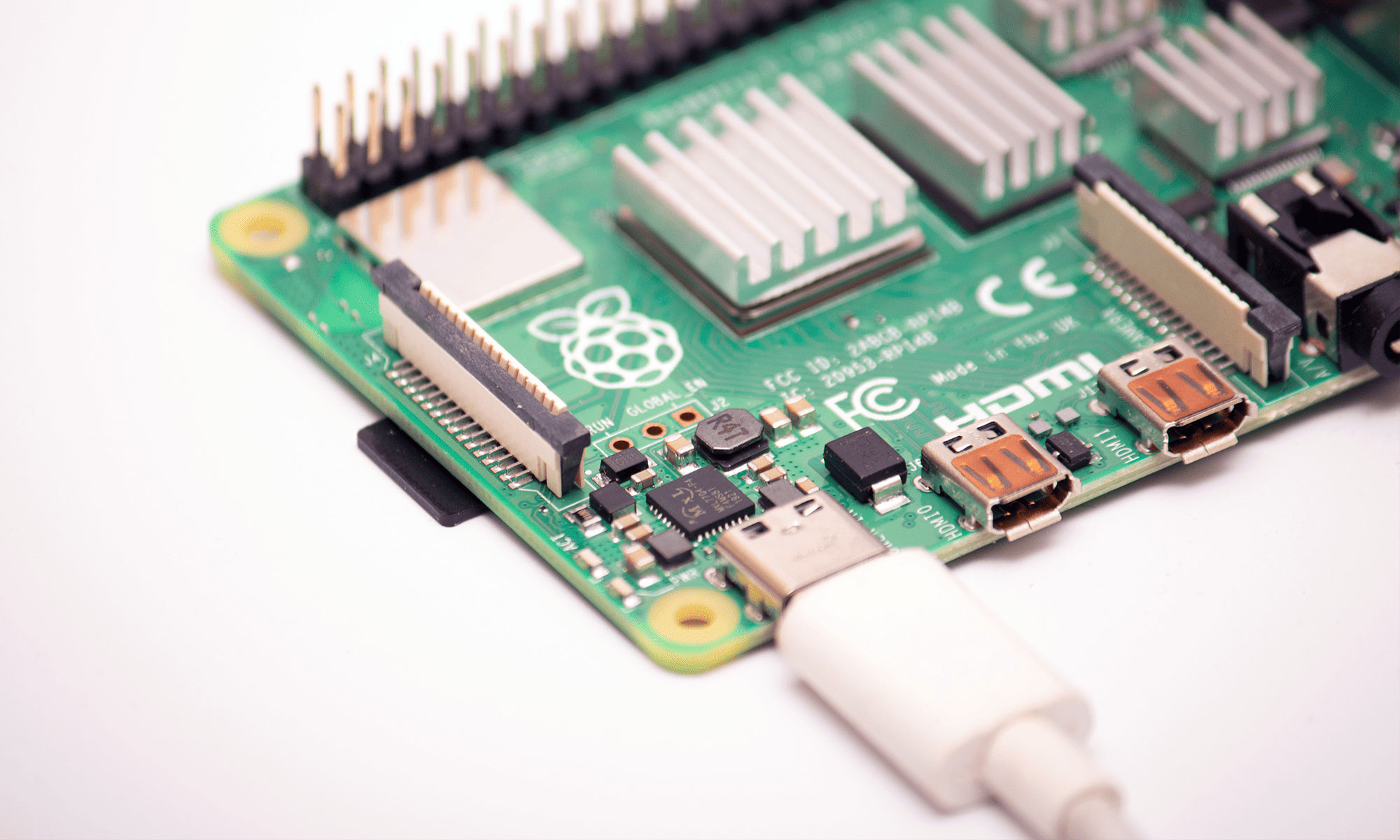
Popular platforms such as Arduino and Raspberry Pi enable the creation of DIY robotic projects, giving users full control over hardware and software.
Check out DIY project suggestions
Common Challenges in Robot Programming
Robot programming, despite its numerous advantages and benefits, involves a series of challenges that hinder its widespread and effective implementation. Understanding these obstacles is crucial for further development of the field.Complexity of languages and environments: robot programming often requires knowledge of specialized languages (such as KRL or RAPID) and complex programming environments. The variety of available tools and technologies can be overwhelming, and mastering them requires time and effort.Integration with other systems: many companies use existing production or IT systems that may be incompatible with modern robotic solutions. Integrating robots with these systems can be complicated and costly, requiring adjustments to software and hardware.Hardware limitations and real-time operation: robots often need to operate in real time, responding to changing environmental conditions. Hardware limitations, such as computational power or bandwidth, can hinder achieving the required speed and precision of operation.Safety of use: robots, especially industrial ones, can pose a threat to humans if not properly programmed and secured. Ensuring safe collaboration between humans and robots (so-called collaborative work) is a key challenge in robotics.Lack of standardization and difficulty in learning: the lack of uniform standards in robot programming complicates the exchange of knowledge and experiences between programmers. Learning robot programming is often difficult and requires access to specialized training and resources.
However, it is worth noting that starting out in robotics does not always have to involve high costs. There are simulators and educational robot kits available that allow for learning programming and experimenting without the need to invest in expensive equipment.
Summary
Programming robots (both industrial and domestic) does not have to be reserved only for specialists. Thanks to available tools and a growing number of educational materials, it is increasingly easy to start your own projects. Numerous practical examples and intuitive programming environments make robotics no longer an abstraction but a real path of development – both at work and in the comfort of home.


For all robotics enthusiasts, both beginners and advanced, TME offers a wide selection of components and tools that will enable the realization of even the most ambitious projects. From microcontrollers and PLC controllers, through sensors and motors, to specialized software and educational kits. We invite you to explore our offer.
Transfer Multisort Elektronik (TME) is one of the world’s largest global distributors of electronic components, electrotechnical parts, workshop equipment, and industrial automation. The catalog includes over 1,500,000 products from 1,300 leading manufacturers. TME’s modern logistics centers in Łódź and Rzgów (Poland), with a combined area of over 40,000 m², ship nearly 6,000 packages daily to customers in more than 150 countries.
TME also invests in the development of knowledge and skills of young engineers and electronics enthusiasts through the TME Education project, and supports the tech community by organizing the TechMasterEvent series, promoting innovation and experience exchange.