Fuses from A to Z - complete guide
Fuses from A to Z - complete guideDate of publication: 26-01-2026 🕒 10 min read
Fuses are a key element of every electrical system, but have you ever wondered how they really work, what types there are, and their basic functions? In the world of electronics, where safety and reliability come first, understanding the role of fuses becomes essential for anyone involved in the installation or maintenance of electrical systems.
An electrical fuse is a key component that protects a circuit from the effects of excessive current, such as overload or short circuit. Its main function is to automatically interrupt the current flow when the current exceeds the permissible level. The operation of the fuse is based on the melting of the internal conductor, called the fuse element, which is exposed to high temperature generated by too much current. Under normal conditions, the fuse conducts current without interruption, but when an emergency situation occurs, the fuse element melts, preventing further current flow and protecting the installation from serious damage.
Key information in brief
- The basic functions of fuses include protection against overload and short circuit.
- Fuses are components that require replacement after operation. Circuit breakers have a similar function but can be reset after operation.
- Fuses can be classified according to characteristics (e.g., B, C, and D), construction (cylindrical, blade, HRC), or operating principle (mechanical and thermal).
What are the basic functions of fuses and how do they work?
The basic functions of fuses focus on protecting electrical systems from the effects of overload and short circuit. When excessively high current appears in a circuit, the fuse acts as a safety mechanism, automatically interrupting the current flow. This protects not only the installation itself but also connected devices, which could be damaged due to excessive load. It is important to understand that the fuse is a kind of “weak link” in the circuit—it intentionally fails to prevent more serious failures.
The operating mechanism of the fuse relies on the melting of the internal conductor, known as the fuse element, which, under the influence of high temperature generated by excessive current, opens the circuit. Under normal conditions, the fuse is able to conduct current without interference, but in the event of failure, the fuse element melts, immediately cutting off the power supply. This way, the fuse protects installations not only from overheating or fire but also protects users from electric shock. Modern electrical systems often employ various types of fuses to ensure optimal protection, both in homes and industrial applications.
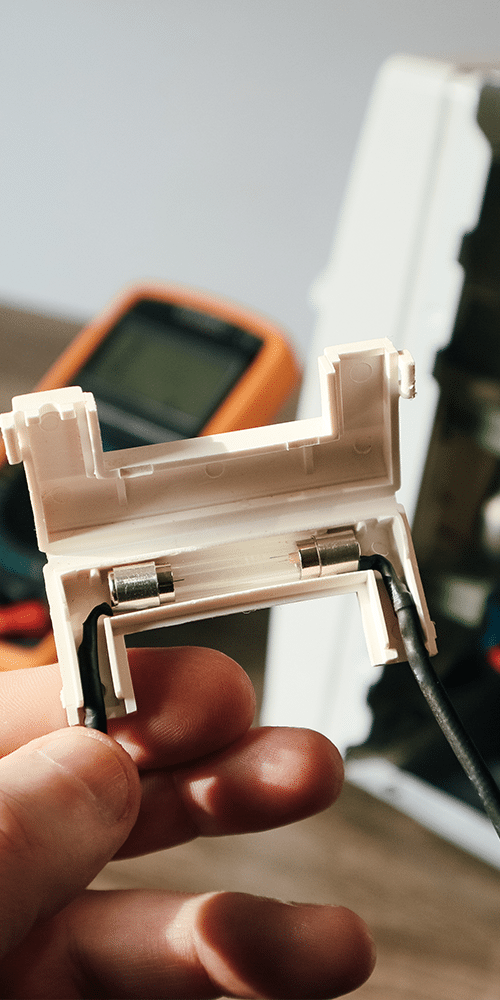
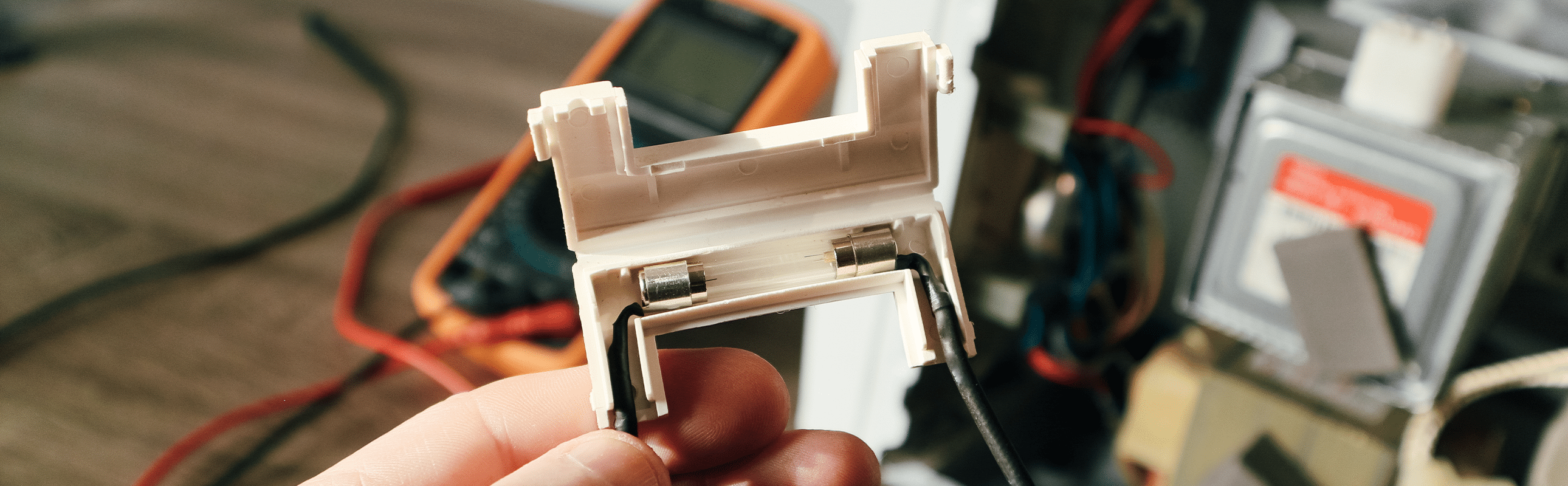
Materials used to manufacture fuses are crucial for their operation and safety. They are usually made from materials such as copper, aluminum, and ceramics. Copper and aluminum are used due to their good conductive properties, while ceramics often serve as the casing, providing proper insulation. In automotive fuses, plastics with transparent casings are also used, allowing easy inspection of the fuse element’s condition. Selecting appropriate materials ensures reliability and effective operation of fuses under various conditions.
What are the differences between fuses and circuit breakers?
The differences between fuses and circuit breakers are important for understanding their roles in electrical systems. Fuses are single-use devices, meaning that after operation, when the fuse element melts due to overload or short circuit, they require replacement. This mechanism makes them less convenient to use, as each incident requires additional action to restore circuit function. In contrast, circuit breakers, also known as overcurrent breakers, are reusable devices. After operation, they can simply be reset, which is a significant advantage in everyday use.
The operating mechanisms of these two types of devices differ significantly. The fuse operates by melting a metal element under high temperature, while the circuit breaker uses bimetallic and electromagnetic mechanisms to quickly disconnect the circuit in case of detected excessive current. Additionally, circuit breakers often offer adjustment and selectivity options, allowing better adaptation to specific circuit conditions. It is important to choose the appropriate type of device depending on usage, as both have unique advantages and limitations.


What types of fuses exist?
There are many types of electrical fuses that can be classified according to different criteria, such as their characteristic and operating principle. Classification by characteristic includes fuses B, C, and D. Type B fuses are designed for circuits with low current flow, while types C and D are used in situations requiring higher tolerance to surge currents, e.g., in industrial installations. There are also different construction types including cylindrical, blade, and HRC (High Rupturing Capacity) fuses, which are characterized by a high ability to interrupt the circuit in case of short circuits.
Classification by operation includes mechanical and thermal fuses. Mechanical fuses operate based on activation by electromagnetic force, allowing rapid circuit interruption. Thermal fuses react to temperature increase caused by excessive current, leading to melting of the metal element inside the insert. It is worth remembering that each fuse type has its specific applications, and their selection should depend on the requirements of the specific electrical installation. Choosing the right fuse type is crucial for ensuring system safety and reliability.
What are the properties of fuses and what should be considered?
Selecting the right fuse for an electrical installation is crucial to ensure the safety and reliability of the system. Rated current is one of the basic values that must be considered. It should be matched to the maximum load of the installation. A fuse with too low a rating will blow during normal use, leading to inconvenient power interruptions. Conversely, a fuse with too high a rating may not react to dangerous overloads, creating the risk of damage to devices or fire.
Another important aspect is the rated voltage. The fuse must be suited to the working voltage in the installation. The rated voltage of the protection should be equal to or greater than the voltage in the circuit to ensure correct operation. For example, home installations often use 230V fuses, but higher values might be needed in industrial systems.
Equally important is the time-current characteristic of the fuse, which determines the response time to overload depending on its value. These protections are divided into different types, such as B, C, or D, which differ in the time they respond to a specified increase in current. Selecting the appropriate characteristic is essential, especially in installations with devices that may temporarily draw high currents, such as motors. Following these guidelines enables effective protection of the installation and minimizes the risk of failures.
What is a fuse box?
A fuse box is a key component of every electrical installation, serving to protect circuits from the effects of overloads and short circuits. It contains various elements, including fuses, that automatically interrupt the circuit in case of hazardous conditions. The box also includes terminals through which supply wires are connected and elements allowing easy replacement of fuses. Thanks to its organized structure, the fuse box facilitates management and control of circuits in a building.
Installing a fuse box requires several key steps. First and foremost, an appropriate mounting location must be chosen, providing easy access and complying with safety regulations. Then, after removing the box cover, the supply wires must be connected to the appropriate terminals, carefully selecting their cross-sections according to installation requirements. After connecting all necessary components, the box should be tested for proper fuse operation and overall circuit safety. It is important to remember that in case of doubt, consultation with a qualified professional is always recommended to ensure proper and safe installation.
What are modern solutions in electrical protection?
Modern solutions in electrical protection are developing rapidly, introducing innovations that increase safety and efficiency of installations. Smart fuses are one such innovation. Equipped with electronics, they enable remote monitoring of circuit status, signaling problems before they occur. Such systems can analyze current flow in real time, predicting failures based on patterns such as temperature rise. By integrating with building management systems (BMS), smart fuses enhance convenience and safety.
Another modern solution is semiconductor protection devices, which replace traditional mechanical methods of current interruption. Using semiconductor elements such as IGBT and MOSFET transistors, these modern circuit breakers can cut off current within microseconds, avoiding the electric arc problem. These solutions are especially useful in direct current networks and advanced installations, where the speed of response to overload is critical. The introduction of these innovations shows that the electrical protection sector continuously evolves, adapting to increasing market and technological demands.
What are the common problems with fuses?
Blown fuse is the most common problem encountered in electrical installations. This operates according to design—the fuse acts when the current exceeds its rated value, indicating an overload or short circuit in the circuit. In such situations, it is necessary to diagnose the cause of the fuse operation to avoid repeated failures. Often, a blown fuse may result from a momentary current surge, which in some cases can be solved by using a time-delay fuse or an overcurrent breaker with characteristics C or D instead of B.
Fault diagnostics begins by determining which fuse operated. In the case of fuse elements, a visible break in the insert or soot inside can often be observed. For ceramic fuses without a window, it is necessary to perform continuity measurement using a multimeter. It is also worth paying attention to other factors that may lead to problems, such as material aging or contact corrosion. Improperly installed fuses may also pose a risk. In case of recurrent problems with blown fuses, it is advisable to consult a qualified professional to diagnose and eliminate potential faults in the installation.

How to perform regular inspections and maintenance of fuses?
Regular inspections and maintenance of fuses are essential to ensure safe and reliable operation of an electrical installation. How to test fuses? It is worthwhile to start this process by checking the technical condition of the equipment. Use a multimeter to measure circuit continuity for ceramic fuses without a window. You can also perform a visual inspection of fuse elements, looking for visible signs of damage such as a break in the insert or soot marks. Regular check-ups should also include tightening all connections and evaluating any signs of overheating of installation components.
If during fuse testing it turns out that the fuse is blown, the next step is to replace the blown fuse. Before doing so, ensure you have identified the cause of the protection operation to avoid recurrence of the problem. Replace the blown fuse with a new one having the same parameters as the original. Remember that using fuses with incorrect parameters may lead to serious hazards. It is also worth regularly checking whether the inserts are properly seated in their holders and whether there are no loose contacts that could cause failures. Investing in branded components is also advisable to ensure they perform according to declared parameters.
What are the regulations and standards concerning fuses?
Regulations and standards concerning fuses are essential to ensure safety in electrical installations. There are many national and international standards regulating the requirements concerning the construction, characteristics, and markings of fuses. The most important standard is IEC 60269, which is the international low-voltage fuse standard. It includes various classes of fuses, including those for industrial and domestic use. In Poland, these standards have been implemented as PN-EN. Another important standard is IEC 60127, which concerns miniature fuses used in electronic equipment and defines their types and test procedures.
Additionally, quality certificates are also used to confirm compliance with specific requirements. For example, fuses may have UL certificates used in North America, as well as CE markings required by the European Union. These certificates ensure that products have been tested for safety. It is important to select only those fuses that have appropriate markings, as this can help avoid problems associated with improper operation in critical moments. By adhering to standards and using certified products, the reliability and safety of electrical installations can be enhanced.
What are the applications of fuses in different areas?
Fuses have found wide applications in various areas, highlighting their versatility and importance in ensuring electrical safety. In household devices, they are often used as basic protection against overload and short circuit in electrical installations. Classic fuse elements were once widely used, but nowadays their role is increasingly played by modern overcurrent breakers, which offer greater convenience and quicker reaction to failures. In case of fuse damage, its replacement has become easier due to better access to replaceable inserts, which is important in everyday use.
In industrial systems, fuses play a key role in protecting machines and devices from damage caused by excessive current. With many devices possibly connected to one circuit, using appropriate fuses prevents failures that could lead to costly production downtimes. In modern industrial installations, fuses are also used to protect photovoltaic systems, responding to the growing trend of using renewable energy sources.
In electric vehicles, fuses are necessary to protect against overload and short circuit in power circuits, especially important regarding high-voltage batteries. These fuses must meet rigorous standards to ensure no damage to electronic components or unintended current conduction in case of failure. The use of advanced technologies in new electric vehicle models makes the pursuit of energy efficiency and safety more important than ever.
FAQ – Frequently Asked Questions About Electrical Fuses
How do you replace a fuse?
Replacing a fuse is a process that can be done independently. Start by disconnecting the power supply to the relevant circuit. Next, locate the faulty fuse and carefully remove it. It is important that the new fuse has the same rating and characteristics as the old one. After replacement, it is worth checking the condition of the contacts to ensure they do not require cleaning. Regular inspections of the electrical installation can help prevent problems caused by blown fuses.
How do you calculate a fuse rating?
To calculate a fuse rating, you need to consider the total current load of the devices connected to the circuit. This can be done by adding up the power (in watts) of all devices and then dividing by the voltage (in volts). The result indicates the appropriate current rating of the fuse. For example, for a circuit with a power of 2300 W at a voltage of 230 V, a 10 A fuse is required (2300 W / 230 V = 10 A).
Are old fuse boxes illegal?
The legality of old fuse boxes often depends on the regulations in force in a given country or region. Many older-type fuse boxes may not meet current safety standards, which can result in them being considered illegal. It is worth investing in modern solutions that comply with current regulations. If you have any doubts, consulting a qualified professional is recommended to ensure the safety of the installation.
Transfer Multisort Elektronik (TME) is one of the world’s largest global distributors of electronic components, electrotechnical parts, workshop equipment, and industrial automation. The catalog includes over 1,500,000 products from 1,300 leading manufacturers. TME’s modern logistics centers in Łódź and Rzgów (Poland), with a combined area of over 40,000 m², ship nearly 6,000 packages daily to customers in more than 150 countries.
TME also invests in the development of knowledge and skills of young engineers and electronics enthusiasts through the TME Education project, and supports the tech community by organizing the TechMasterEvent series, promoting innovation and experience exchange.