Electrical insulation tapes: Basic types and applications as well as alternative solutions
Electrical insulation tapes: Basic types and applications as well as alternative solutionsDate of publication: 23-01-2026 🕒 7 min read
Have you ever wondered how to effectively secure electrical connections or what alternatives exist to traditional electrical tapes? Electrical insulation tapes are a key element in the daily work of both hobbyists and professionals engaged in electronics. In this article, we will look at the basic types of insulation tapes, their applications, and alternative solutions that may prove equally useful.
Key information in brief
The article presents key information about electrical insulation tapes, their types, applications, and alternative solutions. Insulation tapes, including vinyl, rubber, mastic, cambric, and fiberglass tapes, play an important role in securing electrical connections and insulating wires. Their versatility makes them indispensable in the daily work of both hobbyists and professionals.
Proper use of insulation tape and knowledge of safety standards such as UL 510 and CSA C22.2 No. 197 or IEC 60454 are crucial for ensuring the safety and durability of electrical installations. The article highlights the advantages and disadvantages of insulation tape, pointing out the potential hazards related to improper use.
Heat shrink tubes, twist connectors, liquid electrical tape, and cable covers can replace tapes, allowing better adaptation of solutions to the specific needs of users.
Introduction
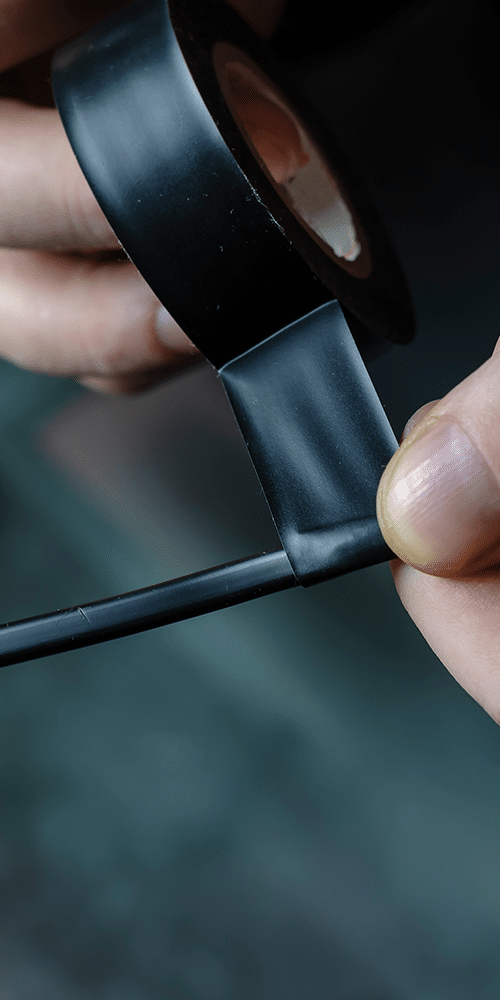
Electrical insulation tape is a flexible self-adhesive material that plays a key role in securing electrical connections and insulating wires. It is most often made from PVC, which provides high resistance to voltage and temperature. Besides PVC material, there are various types of tapes available, such as rubber tapes, fabric tapes made of synthetic nonwoven material, or high-temperature tapes that can be used in extreme conditions. Each of these materials has specific properties that determine their applications in different fields, from electrical engineering, through automotive industry, to DIY projects.
The use of insulation tapes is very broad. They serve not only to insulate wires and secure connections but also for repairing damages, cable organization, and decoration. Thanks to these versatile applications, insulation tapes have become indispensable in every workshop and home.
However, it is important to remember the limitations related to insulation tapes. Improper use can lead to serious hazards such as electrical short circuits, equipment damage, or even fires. Therefore, it is vital to comply with safety rules, such as proper surface preparation before tape application and using materials of appropriate quality. Correctly used insulation tapes can significantly increase the safety and durability of electrical installations, which is crucial for anyone working with electricity.
What are the basic types of insulation tapes?
In the context of previous information on insulation tapes, it is worth paying attention to the basic types of insulating tapes, which are crucial to ensuring safety and efficiency when working with electricity.
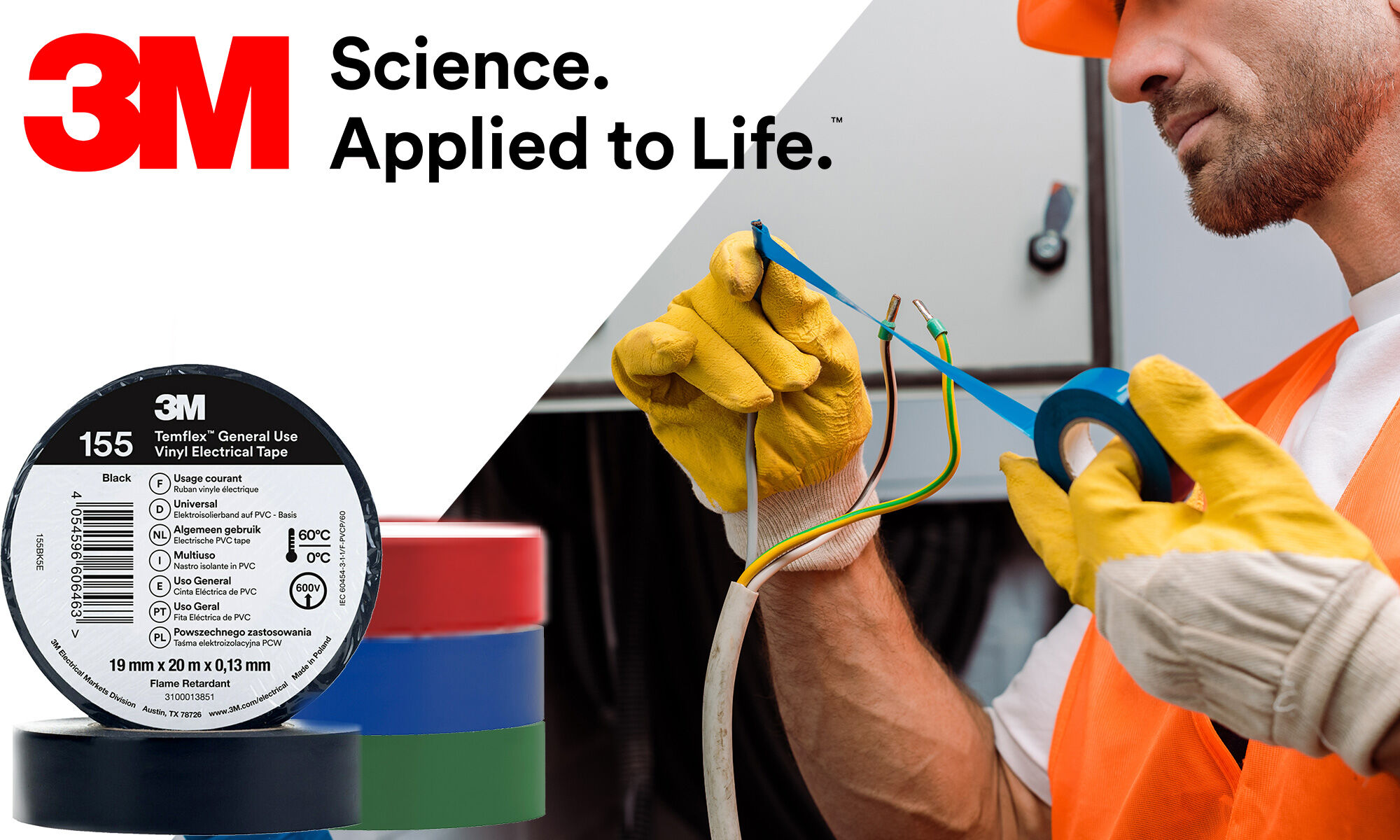
- Vinyl tape (PVC) is the most popular type of insulation tape, characterized by high voltage resistance and flexibility, which facilitates adaptation to different shapes and places. These tapes are available in various colors, enabling their use for wire marking.
- Rubber tape is ideal for applications where additional flexibility and resistance to high temperatures are required. It is often used in harsh conditions, such as automotive installations, because it can withstand high humidity and temperature changes.
- Mastic tape is a type of tape that adheres perfectly to various surfaces, making it an ideal solution for sealing and insulating places where leaks or moisture occur. Its properties make it frequently used in the construction industry.
- Cambric tape is made of a material with excellent tear resistance, which makes it exceptionally durable. It is mainly used in the automotive industry and for bundling wires where mechanical strength is important.
- Fiberglass tape is a more advanced option, offering exceptional resistance to temperature and chemicals. It is an excellent choice in places where extreme conditions occur, such as in the aerospace industry or industrial installations.
Choosing the right type of insulation tape is key to ensuring effectiveness and safety in electronic and electrical projects. Proper use of these materials allows not only for effective insulation but also protection against potential hazards.

What is insulation tape used for?
Based on the previous information about the types of insulation tapes, it is worth examining their main applications, which make them extremely useful both in everyday life and professional projects.
- Electrical wire insulation is the primary use of insulation tape. Thanks to its insulating properties, it can effectively protect wires against short circuits and other damage, which is crucial for user safety.
- Repair and securing items is another important application. Insulation tapes are often used for quick repairs of damaged wires and securing cable connections, helping to avoid potential failures.
- Organization of wires and cables is important in every workplace. Insulation tapes can be used to bundle and fasten wires, which promotes order and facilitates work, especially in complex electrical installations.
- DIY projects and artistic decorations demonstrate the versatility of insulation tape. Thanks to the availability of various colors and patterns, they can be used in creative projects, such as decorating objects or creating original craftsmanship solutions.
What are the safety standards for insulation tape?
In various applications, different parameters matter – sometimes only color is relevant, but more often it is essential to ensure durable safety of wire or connection. Confirmation of insulation tape quality and parameters are the safety standards applicable to these products. Among the key standards are:
- UL 510 – this is the standard certifying insulation tapes in the United States, indicating their resistance to high temperatures and maintaining insulating properties in harsh conditions.
- CSA C22.2 No. 197 – the Canadian standard applicable to insulation tapes, which specifies requirements for their safety and efficiency in electrical applications.
- IEC 60454 – an international standard used in Europe, defining requirements for dielectric properties, thermal resistance, mechanical strength, and classification of insulating tapes.
Both standards are important because they assure users of product compliance with safety requirements, which minimizes the risk of failure and hazards such as fire.
It is also worth paying attention to the voltage and temperature ratings of insulation tapes. The highest quality tapes can withstand voltages up to 600V and are designed to operate at temperatures from 0 to 90 degrees Celsius. When choosing the right tape, it is important to ensure it meets voltage requirements, which is key for safe use in various applications.
What are the advantages and disadvantages of using insulation tape?
Continuing the topic of insulation tape, it is worth considering its advantages and disadvantages, which will help better understand when its use is justified.
Advantages of insulation tape include primarily:
- Effective insulation – insulation tape effectively protects electrical wires from short circuits and damage, which is crucial for safety.
- Convenient application – thanks to ease of use, application does not require specialized tools or skills, making it accessible to everyone, both professionals and amateurs.
- Resistance to weather conditions – many insulation tapes are designed to withstand various conditions, making them ideal for indoor and outdoor use.
On the other hand, limitations of insulation tape may include:
- Varied quality – tapes available on the market differ in quality, which can cause problems when using low-quality tapes that may not meet safety requirements.
- Lack of mechanical protection – insulation tapes are more flexible but may not provide sufficient mechanical protection, making them unsuitable for all applications, especially in places subjected to mechanical stress.
- Potential hazards with improper use – incorrect application or use in conditions for which the tape is not intended may lead to risks such as electric shock or fire.
How to properly apply and store insulation tape?
To ensure effectiveness and safety when using insulation tape, it is important to follow several best practices concerning its application and storage.
What are the best application practices?
- Surface preparation – before applying the tape, ensure the surface is clean, dry, and free of contaminants. Contaminants can weaken adhesion, which may cause tape peeling in the future.
- Wrapping technique – when applying, wrap the tape evenly, avoiding air bubbles. It is important to ensure proper overlap of layers to provide a durable and effective connection. Wrapping too loosely may result in improper insulation.
- Storage conditions – insulation tape should be stored in a dry, cool place away from direct sunlight and heat sources. Good storage conditions ensure longer tape durability and its effectiveness in future uses.
What are the alternatives to insulation tape?
In situations where insulation tape is not sufficient, there are many alternative methods for securing electrical connections. Here are some of them:
- Heat shrink tube – a polymer tube that shrinks under heat, forming a tight connection around wires or connectors. It is ideal for insulation and protection of connections, especially after soldering, as it provides a durable and often waterproof seal.
- Twist connectors – also called wire nuts, are insulated caps applied to exposed wire ends. Using twist connectors is especially recommended for higher current loads where reliable connections are crucial.
- Liquid electrical tape – an alternative form of insulation applied in liquid form. Once dried, it forms a tight and flexible coating ideal for sealing and insulating connections.
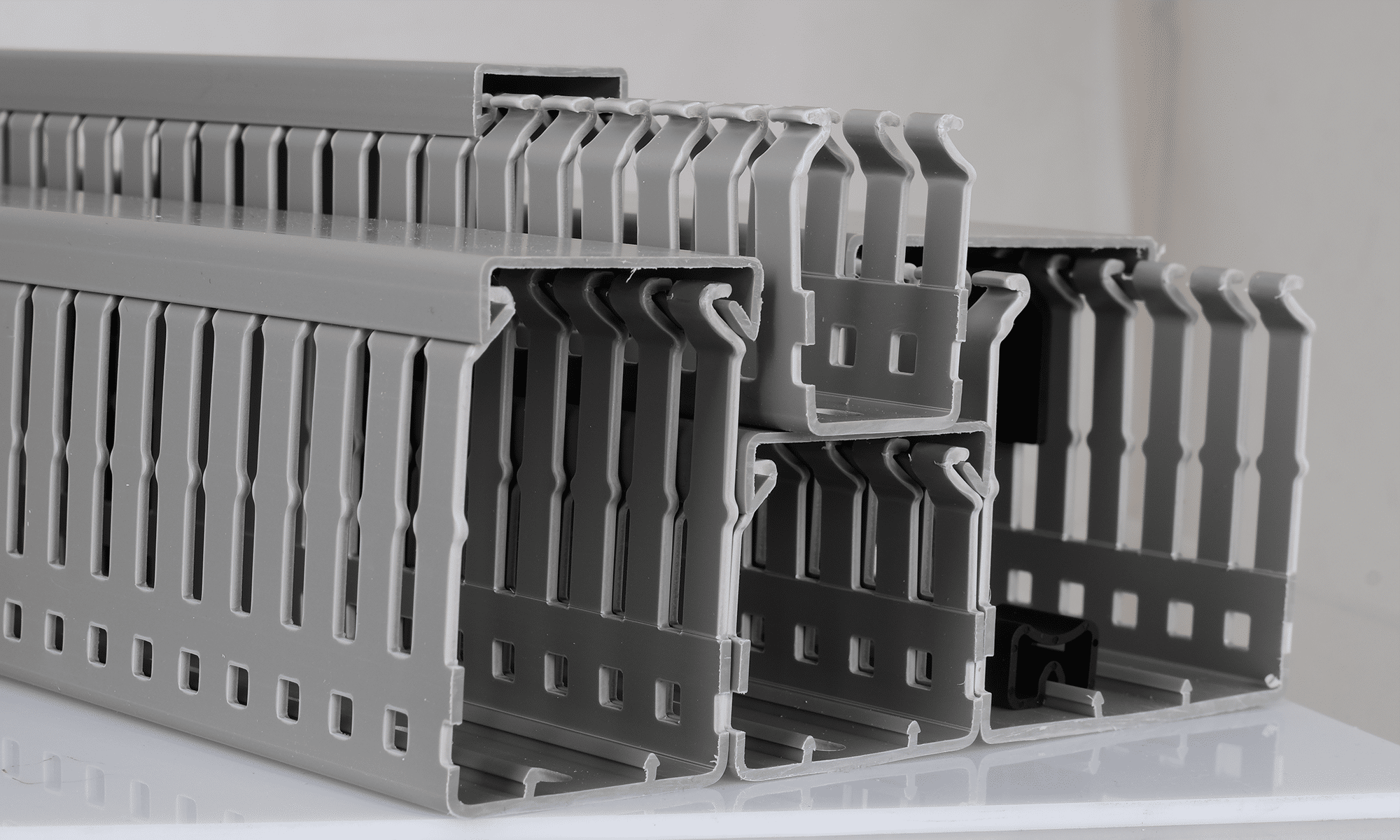
- Cable covers and conduits – used to protect wires from mechanical damage and environmental conditions. These covers are particularly useful in outdoor installations and in places exposed to high mechanical loads.
When considering alternatives to insulation tape, it is worth evaluating the specifics of the application and the insulation and protection requirements to make the best choice. Proper use of insulation tape and knowledge of available alternatives are key to ensuring safety and durability of electrical connections.
FAQ – frequently asked questions about electrical insulating tapes
What are the most common uses of insulating tape?
Insulating tape is mainly used for insulating electrical wires, repairing damage, securing cable connections, and organizing wires. It can also be used in DIY projects and artistic decorations.
What are the differences between types of insulating tape?
The most popular types of tape include vinyl (PVC) tape, rubber tape, mastic tape, cambric tape, and fiberglass tape. Each type has its own specific properties that determine how it is used in different conditions and industries. For example, rubber tape is more flexible and resistant to high temperatures, while mastic tape adheres perfectly to various surfaces.
Which safety standards apply to insulating tapes?
The relevant standards are UL 510 and CSA C22.2 No. 197, which define requirements for resistance to high temperatures and the effectiveness of insulation. Compliance with these standards minimizes the risk of failures and hazards, such as fire.
How to use insulating tape correctly?
To ensure effectiveness, you should prepare the surface (it should be clean, dry, and free from contaminants), use the proper wrapping technique (evenly, without air bubbles), and store the tape under appropriate conditions (in a dry, cool place, away from sunlight).
What alternatives exist to insulating tape?
Alternative solutions include heat shrink tubing, twist-on wire connectors, liquid electrical tape, as well as cable covers and conduits. Choosing the right solution depends on the specifics of the application and the requirements for insulation and protection.
Transfer Multisort Elektronik (TME) is one of the world’s largest global distributors of electronic components, electrotechnical parts, workshop equipment, and industrial automation. The catalog includes over 1,500,000 products from 1,300 leading manufacturers. TME’s modern logistics centers in Łódź and Rzgów (Poland), with a combined area of over 40,000 m², ship nearly 6,000 packages daily to customers in more than 150 countries.
TME also invests in the development of knowledge and skills of young engineers and electronics enthusiasts through the TME Education project, and supports the tech community by organizing the TechMasterEvent series, promoting innovation and experience exchange.